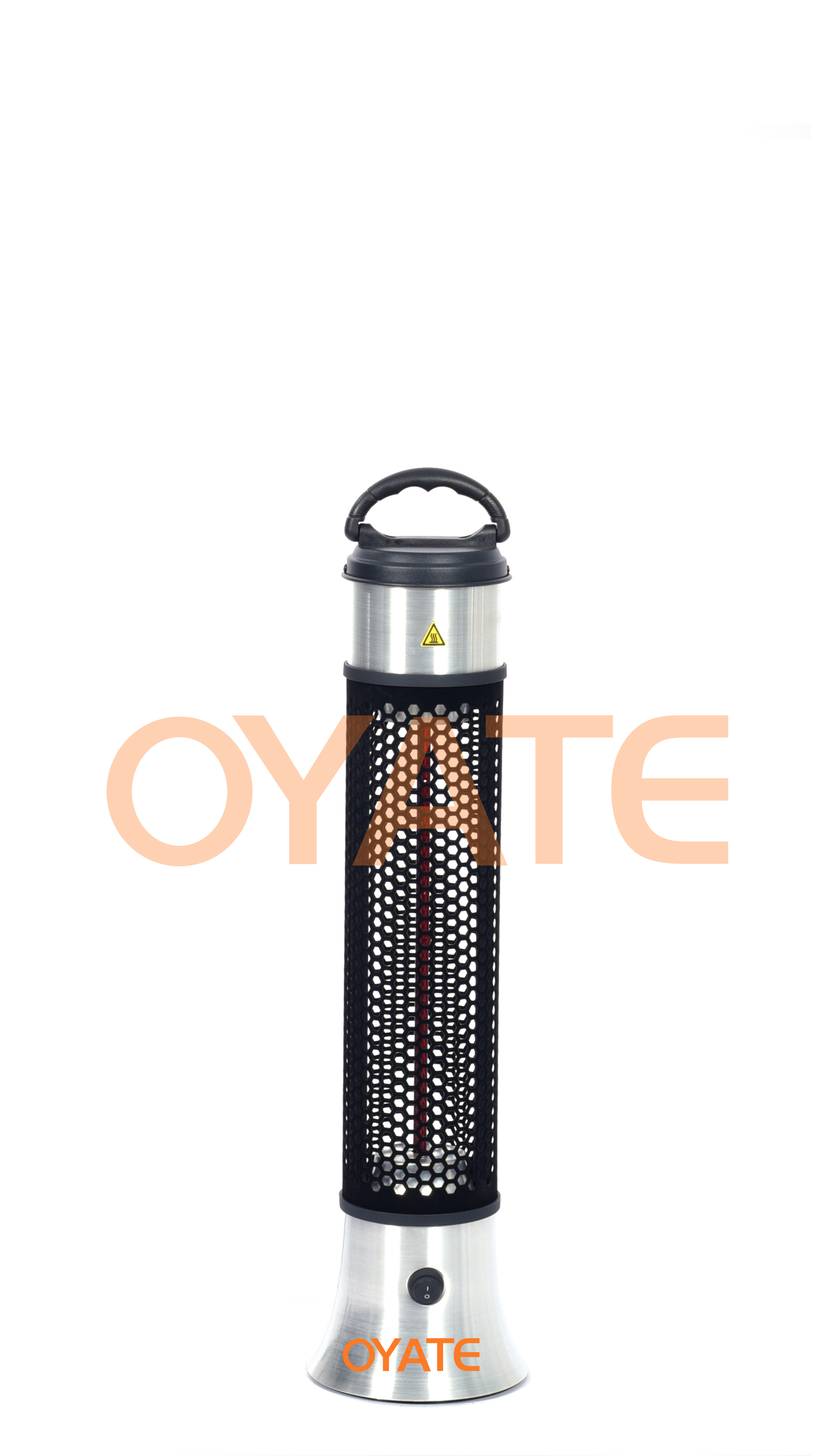
Keeping Your Pergola Heaters Alive in the Rain and Fog
If you’ve ever tried putting a standard indoor heater under a pergola, you know exactly how it goes. One humid evening or a bit of wind-blown rain, and—pop—the thing is dead. It’s frustrating. Indoor units just aren’t built for the chaos of the outdoors. That’s why we build ours differently. We use heavy-duty seals and moisture-blocking coatings to make sure water never even touches the electrical guts of the machine.
Dealing with the Damp
Water is the enemy here. It’s the number one reason outdoor heaters short out. To stop that, we lean on silicone gaskets and reinforced housing. It keeps the rain and the occasional cleaning spray from leaking into the wiring. And it’s not just about the big leaks. We’ve sealed the junctions so that corrosion doesn’t slowly eat away at the copper connections over time. It just stays solid. Then there’s the fog. If you’ve ever seen a quartz tube get cloudy in the humidity, you know it’s a problem. That layer of condensation messes with the infrared waves, creating “hot spots” on the glass. Not great. To fix this, we put a hydrophobic coating on the tube. Instead of a film of water clinging to the glass, the moisture just beads up and rolls right off. This keeps the heat steady and, more importantly, keeps the glass from cracking when the temperature swings.
The Trade-offs
Now, look—nothing is perfect. Adding all those waterproof seals and casings makes the heater a bit bulkier. It also means there’s less natural airflow around the frame. Because the internals are tucked away so tightly, we had to oversize the heat sink. It’s a simple fix to make sure the control board doesn’t overheat when you’re running it full blast on a freezing January night.
Does it actually work?
In the real world, these tweaks mean you aren’t replacing your hardware every single season. Your heaters can actually take a beating from the weather without giving up. You get a steady, reliable warmth without the constant fear that a spike in humidity is going to trip your breaker and leave you shivering in the dark.