Keeping Baby’s Eyes Safe While Staying Warm
Most infrared lamps are basically light cannons. They blast out a huge range of wavelengths, and in a bathroom—especially when you’re dealing with a baby—that blinding glare is a real problem. No one wants a newborn squinting or stressed out by a harsh light just to stay warm. So, we changed how the light works.
Taming the Glow
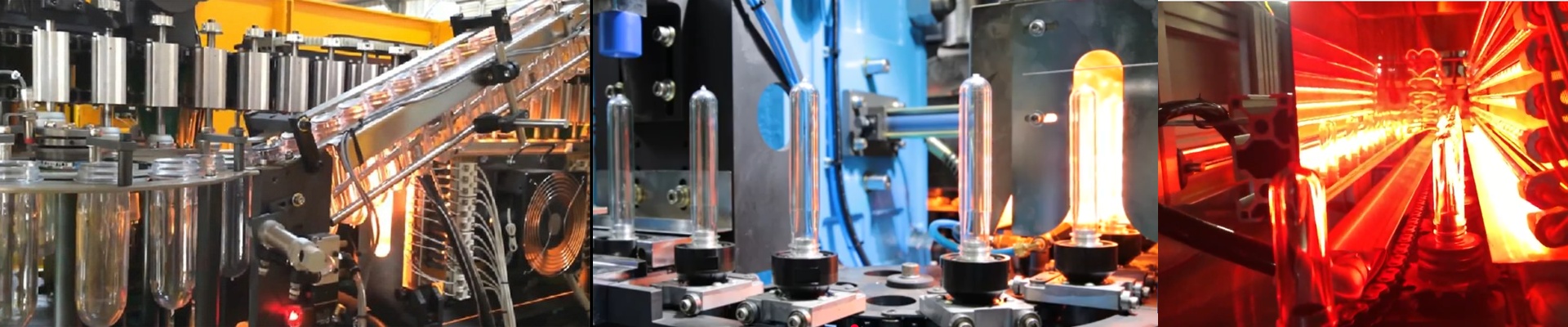
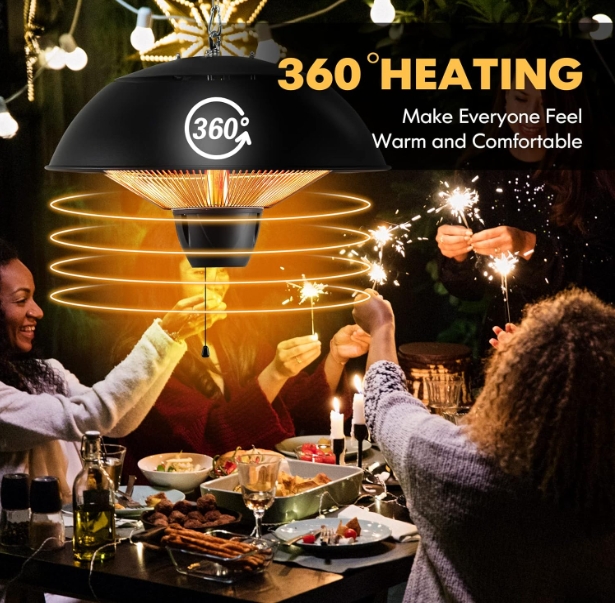
Standard heaters usually rely on a quartz tube filled with halogen gas. The problem? They glow white-hot. To fix this, we use a special coating or a filtered emitter. Think of it as a shield. It blocks out that annoying visible light but lets the actual heat—the infrared part—slide right through. You still get that cozy, skin-warming energy, but without the “industrial warehouse” strobe light effect. We’re basically moving the energy away from what you see and putting it into what you feel.
Dealing with the Steam
Bathrooms are brutal on electronics. Humidity is everywhere. To keep things from breaking, we tuck the quartz element inside a sealed, waterproof housing. It’s a simple necessity: if a drop of water hits a scorching hot tube, the whole thing cracks. We also add tempered glass covers. They do two things—they soften the light even more and keep splashes from hitting the guts of the heater.
The Trade-off
Here is the honest part: when you filter out the light, you lose a bit of that bright “glow.” But honestly? That’s a Trade we’ll make every single time for the sake of safety. One quick tip for the folks installing these: keep an eye on your circuits. Halogen elements have a habit of spiking the current right when they kick on. If the voltage drops too much, the heat might feel a bit off or inconsistent. For the engineers picking the parts, the goal is simple. Focus on the infrared-C or B bands to get that surface warmth, and keep the visible light low enough that it doesn’t tire out the eyes. That way, the room warms up instantly, but the baby stays comfortable.