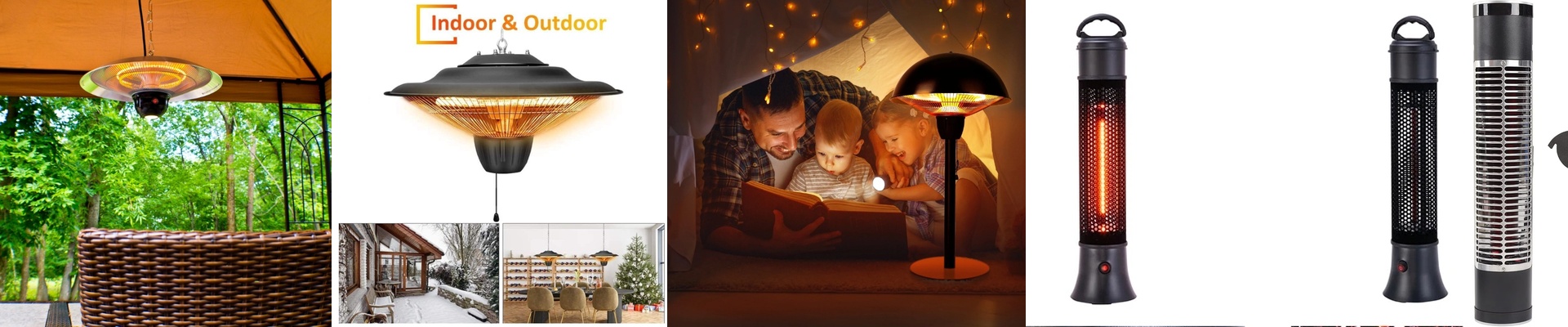
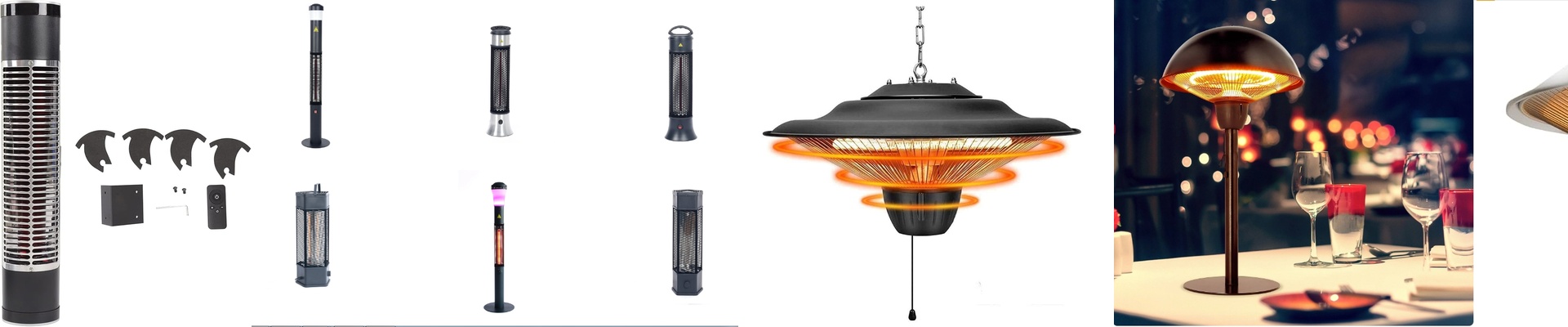
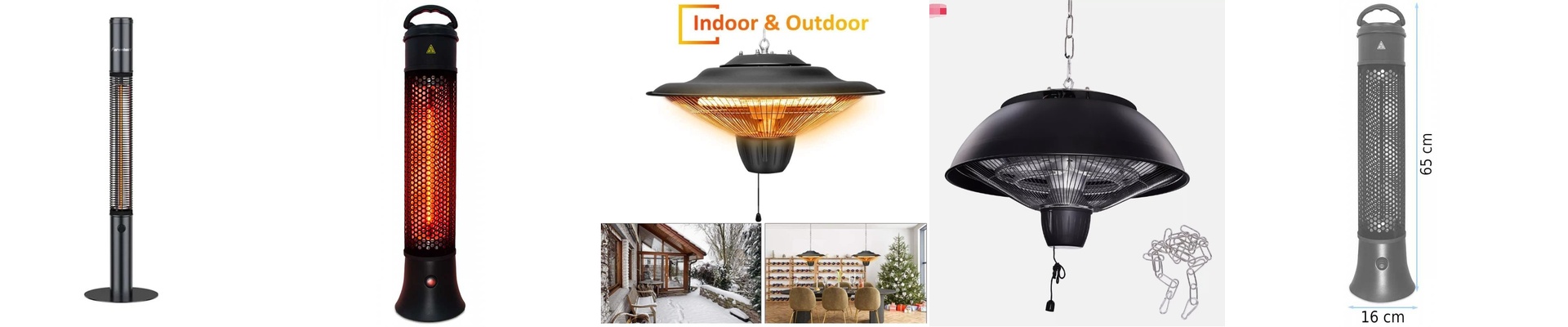
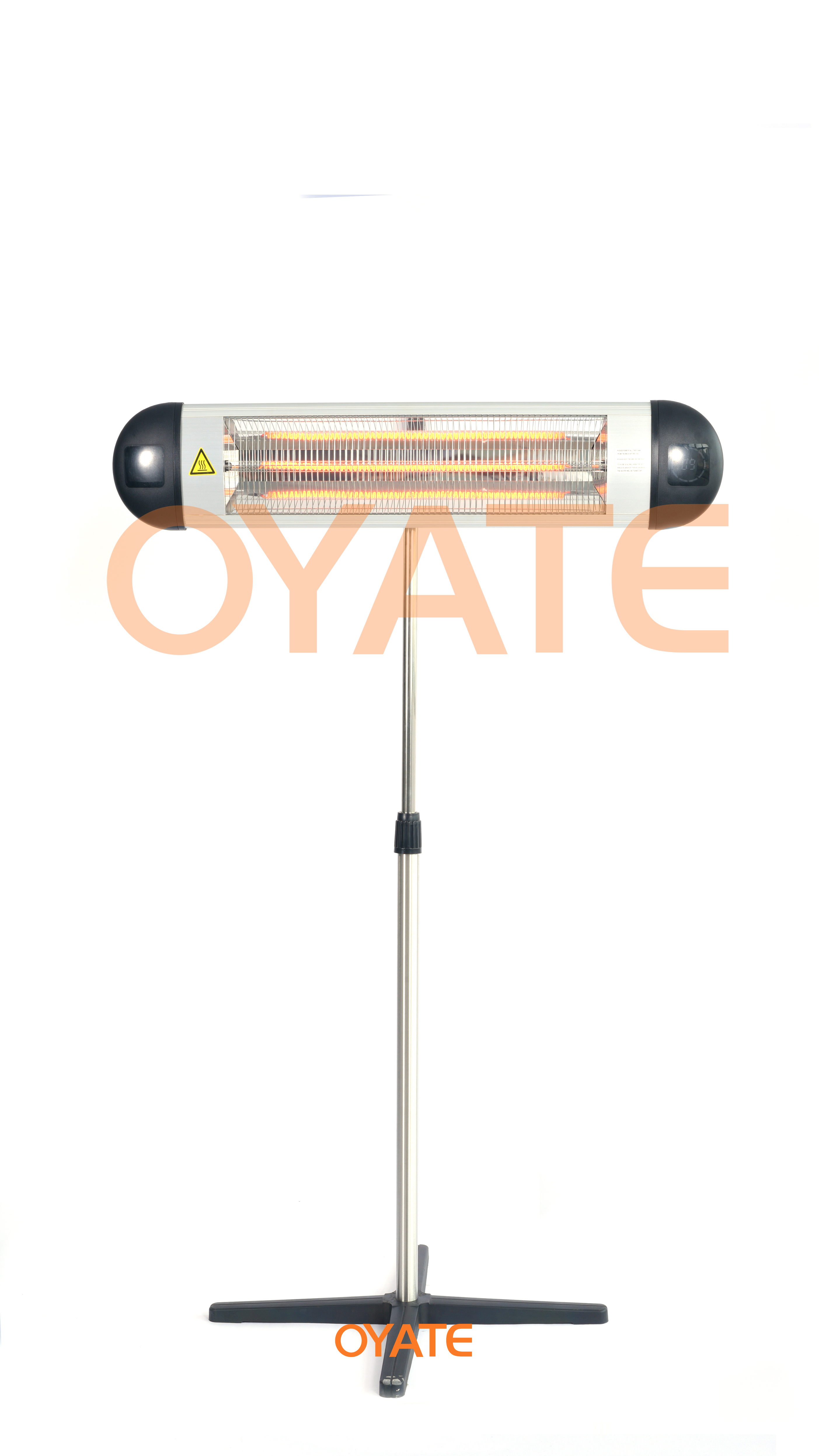
Zero-waste goals aren’t just about bins and labels. They reach all the way into how we build the heat you actually feel. In the shop, we design our electric infrared heaters around materials that circulate well and can be recycled—so comfort shows up without dragging a heavy footprint along for the ride.
What matters, technically
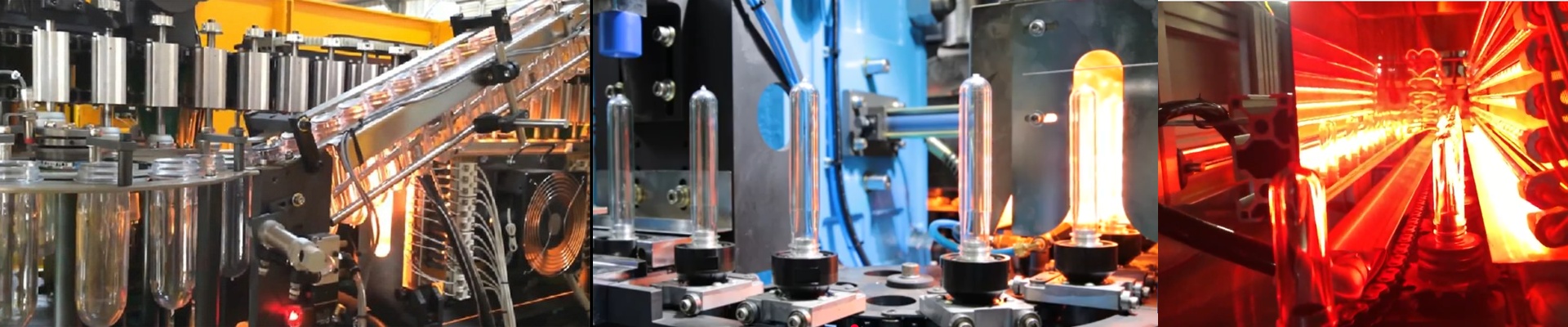
Infrared warmth is direct. It heats people, tables, and floors first—not the air. We pair that with a carbon-fiber element and a quartz tube that hold output steady over long run cycles. You get warmth in seconds, less wasted heat, and a lower energy draw for the same feeling. We build the housing and core components from alloys and polymers with high recycled content—materials that can be separated and reprocessed when the unit reaches end of life. The heater runs on standard 120V, with a built-in thermostat for consistent, repeatable comfort. For outdoor use, we include an IP rating to keep rain and dust out. Safety is standard: tip-over protection and a cool-touch outer frame.
Why this approach fits
If you’re after responsible comfort that sticks around, this heater makes sense. It uses less energy because it heats what matters, not empty square footage. That translates to lower bills, fewer demand spikes, and a smaller footprint per hour of use. We choose materials for longevity, so you’re not replacing the unit every season. Over time, that means fewer parts heading to landfill—and more confidence in your zero-waste plan, whether you’re heating a workshop, a covered patio, or a community commons.
What to keep in mind
Radiant heat does its best work with a clear line of sight. Keep the unit unobstructed and positioned to cover the zone you actually use. Indoors, pair it with a ventilation plan so the air stays fresh. Outdoors, make sure the IP rating matches your exposure, and always plug into a grounded outlet on a dedicated circuit. One practical note: because radiant heat warms surfaces directly, the air in the space can feel a bit cooler than what you’d get from a convection heater. That’s normal—and it’s exactly why the energy use stays low.