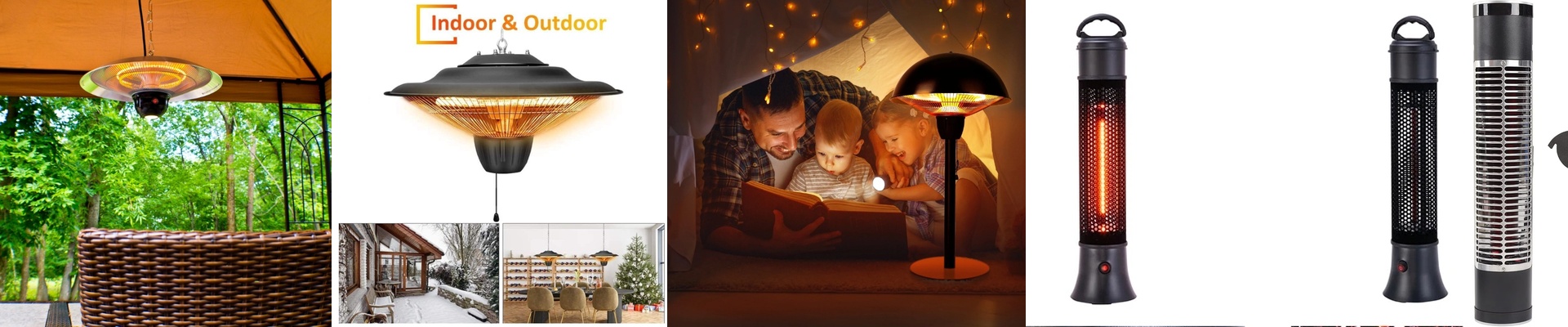
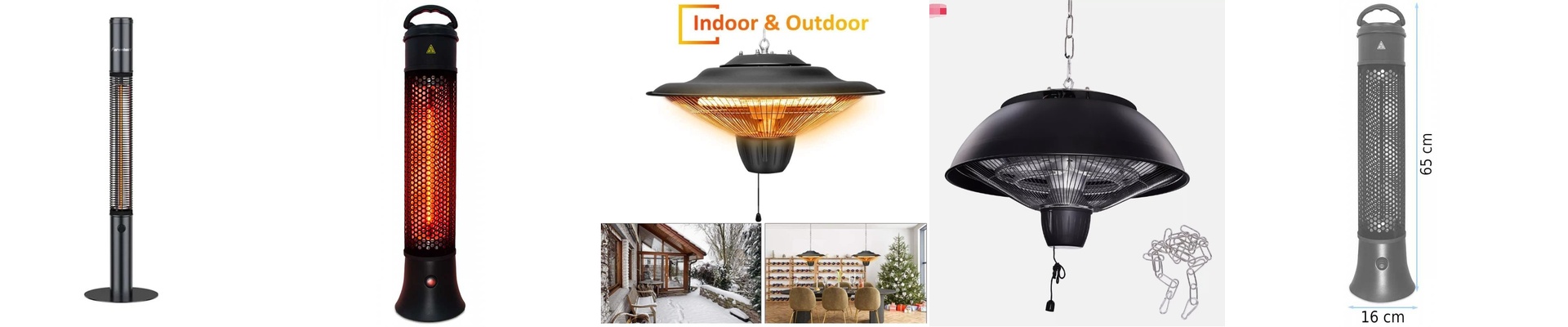
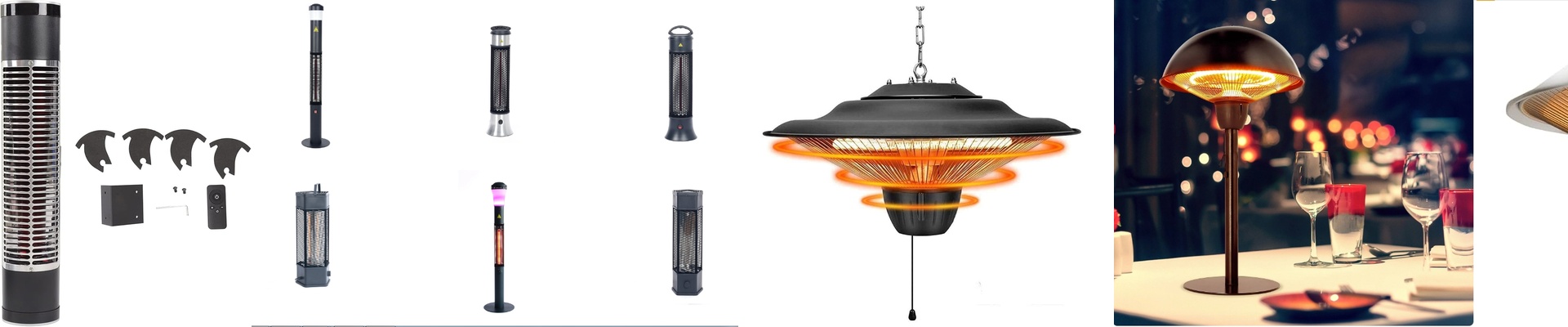
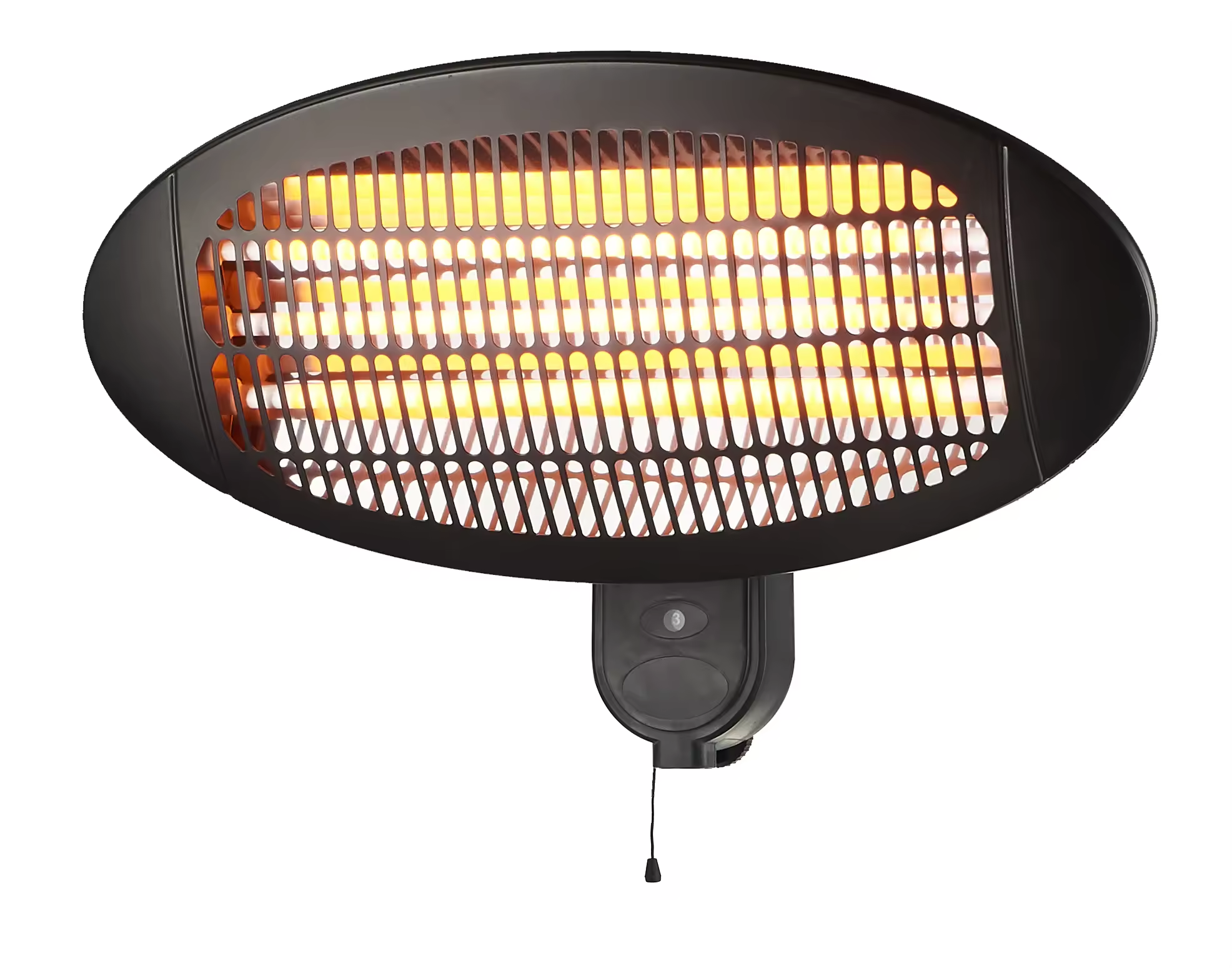
When the air starts turning crisp and evenings stretch out, the real headache isn’t just getting warm—it’s staying warm without feeling like you’ve been baked to a crisp. Traditional heaters churn air around, kicking up dust and adding noise. Infrared warmth feels different. It’s direct, quiet, and it gets down into your bones the way sunlight does.
What matters under the hood
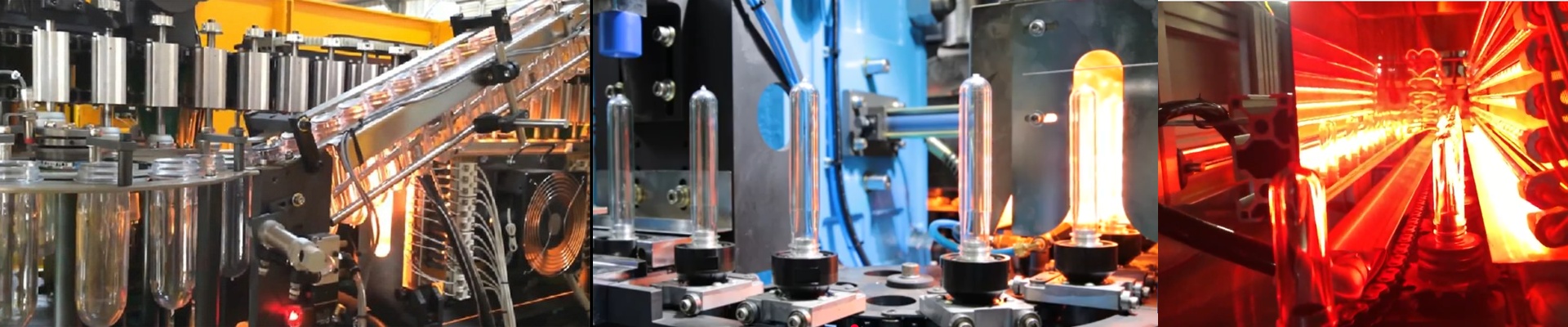
Our custom logo electric infrared heaters lean on radiant heat, sending warmth out in a broad beam—just like natural sunlight. The core emitters, quartz tubes or carbon fiber elements, put out short- and medium-wave infrared that heads straight for people and surfaces, not the air. You feel the heat in seconds because the energy passes through the air and starts warming you directly. We match output to the spaces you’re heating: 120V or 240V options, 1500W to 3000W, with either a standard plug or hardwire terminals depending on the model. The payoff is immediate comfort without that forced-air blast.
Why this approach makes sense
On a chilly patio or inside a workshop, you want steady warmth that lets you relax and move freely. Infrared heat supports better circulation, which can ease stiff joints and cut down on the fatigue that builds up after long hours on your feet. Because the warmth lands where you need it, you don’t have to overheat the whole space—energy use stays sensible, and the air stays cleaner. Add a custom logo to the housing and you turn the heater into part of the experience. It becomes a branded fixture, whether you’re running a café terrace, a hotel lounge, or a family outdoor room.
What you need to keep straight
Infrared heaters do their best work when the beam has a clean line to the people in the area. Walls, overhangs, and drafts matter, so placement is key. For outdoor use, pick a unit rated for the exposure—check the IP rating and make sure it’s suited to damp conditions. These heaters warm objects and people directly, so the air temperature a few feet away can feel cooler. That’s normal for radiant heat. If you’re running multiple units, plan on a dedicated circuit, and keep clearances clear for both safety and performance.