Out in the sticks, winter used to start the same way every year: the ping of a kerosene stove, the familiar smell, and a warm room—but also soot, drafts, and that heavy, gritty feeling in your lungs. When the air turns bone-dry and the wind presses against the walls, the heating choice you make directly shapes comfort and health. That’s why more folks are leaning into an in-wall electric fireplace that leans on infrared warmth. It heats people and objects directly, instead of pushing dusty air around.
What actually matters, technically
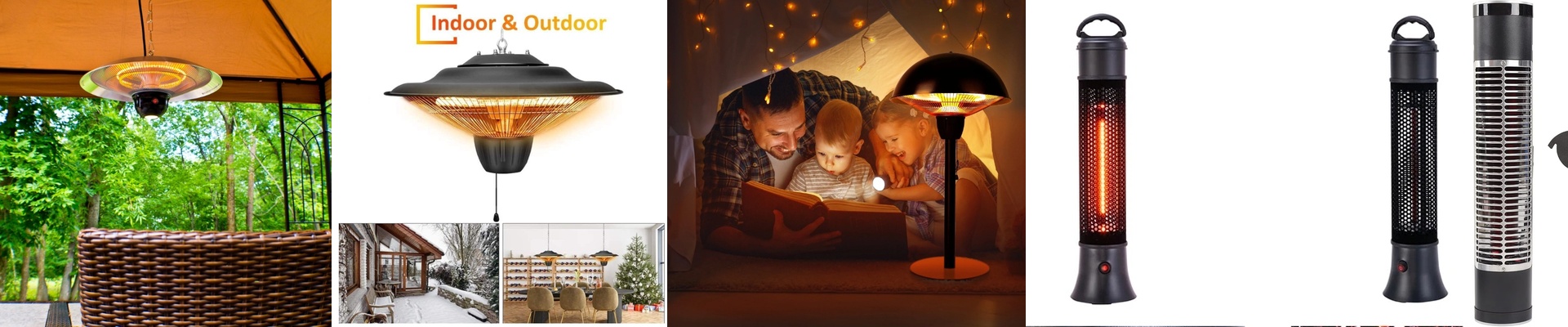
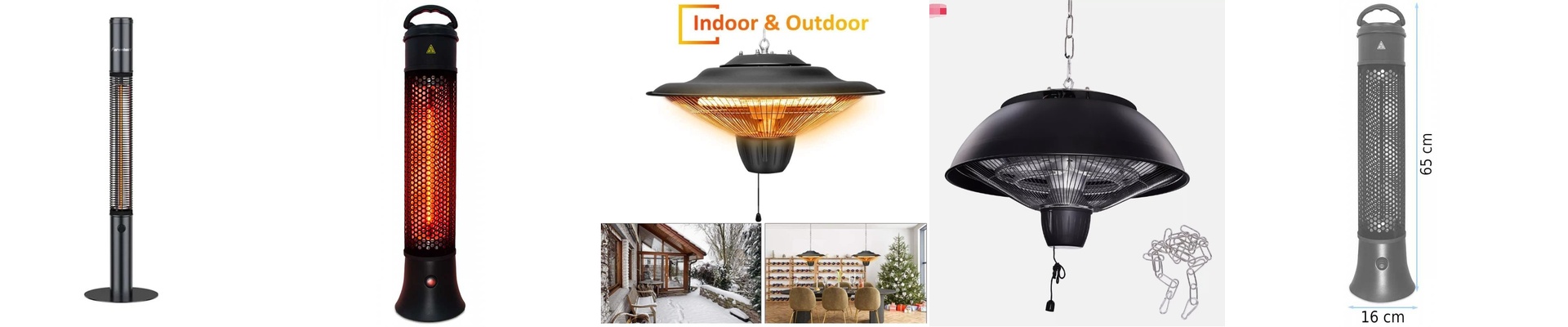
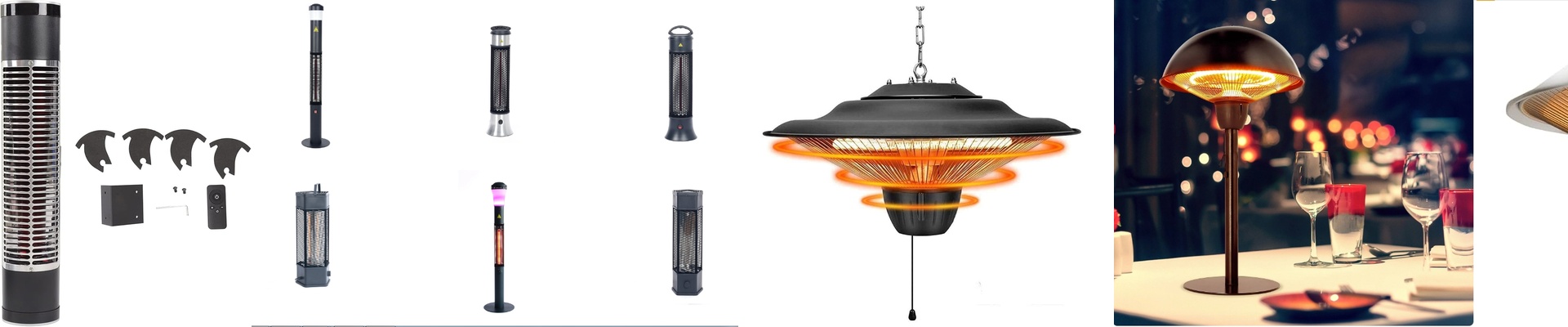
At the core of an in-wall electric fireplace is radiant heat, usually delivered by a quartz tube or a carbon fiber element. The element glows and throws infrared warmth outward, hitting faces, hands, and furniture on contact. Many units run on standard 120V or 240V circuits, so they can be hardwired into a home’s electrical system. The heater itself stays compact—typically around 1.5 kW to 2.0 kW—enough to cover a small living room or bedroom without trying to heat the whole volume of air. Because the heat is directional, it feels immediate. No waiting around for a fan to push warm air into corners, and no burner creating combustion byproducts. You get steadier comfort with fewer cold spots.
Why this makes sense in remote homes
In places where fresh air is hard to come by, an in-wall electric fireplace supports indoor health by avoiding the particulates and odors that come with fuel-burning heaters. You still get the cozy look of flames—thanks to a realistic LED display—but the heat comes clean, with no open flame and no venting required. Switching off kerosene also simplifies the day-to-day. No more hauling fuel cans, no more stressing about spills, and no more drafty air exchange. The room stays more stable, and if you’re sensitive to dry air or irritants, the difference is noticeable.
The things you need to get right
An in-wall electric fireplace isn’t plug-and-play. It has to be hardwired by a qualified electrician, and the location needs to meet clearance requirements around walls and furniture. Most units are designed for indoor use, so they aren’t meant for fully exposed outdoor spots or damp areas without protection. Plan for the right circuit and a dedicated switch or thermostat, and you end up with quiet, clean heat that makes winter feel lighter—without the smoke, the smell, or the worry.