Municipal buildings—libraries, community centers, administrative offices—have a winter problem you can predict every year: keep people comfortable without letting the heating budget spiral. When that utility bill lands, the numbers are usually painful. Change the approach, and the numbers change with it.
What actually matters, technically
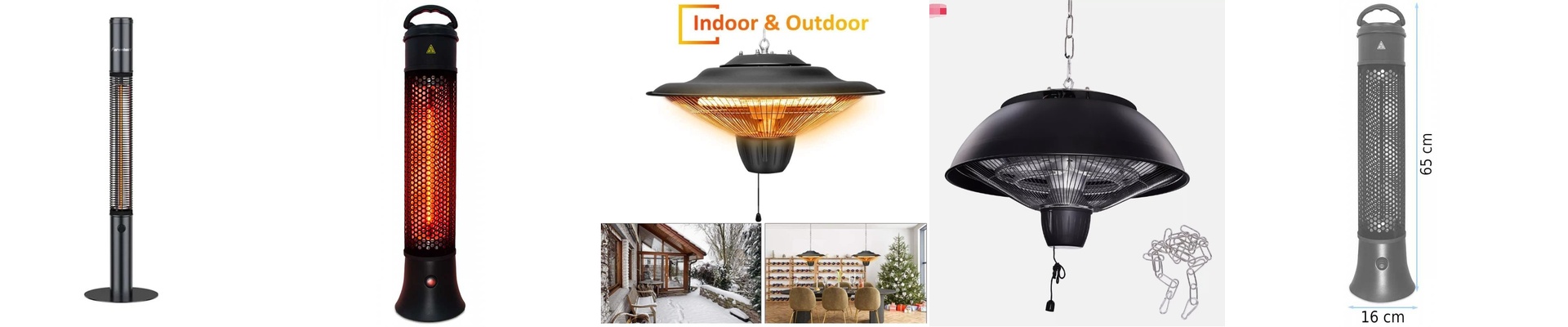
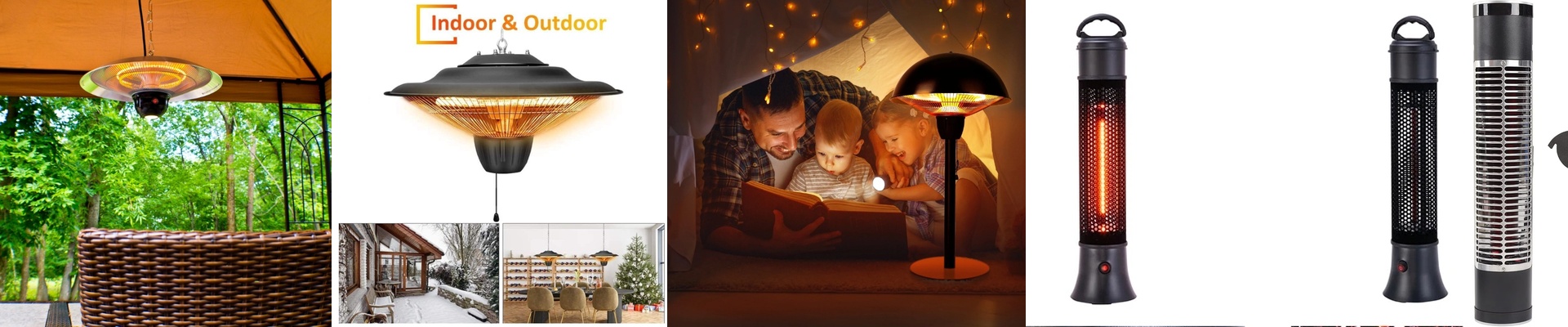
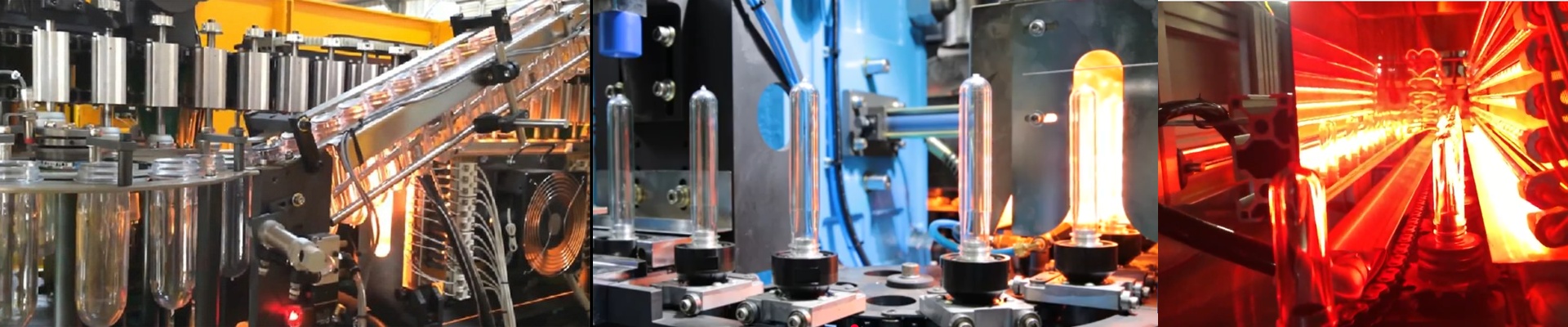
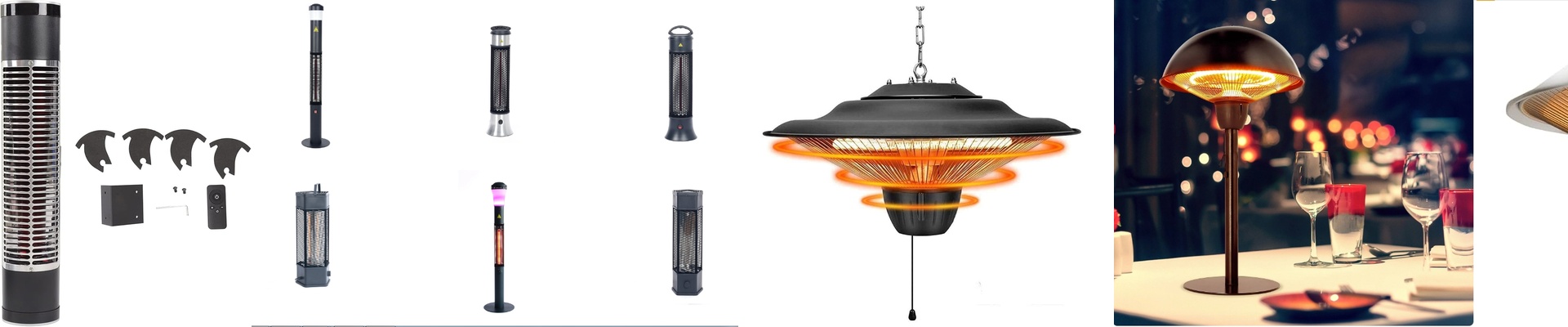
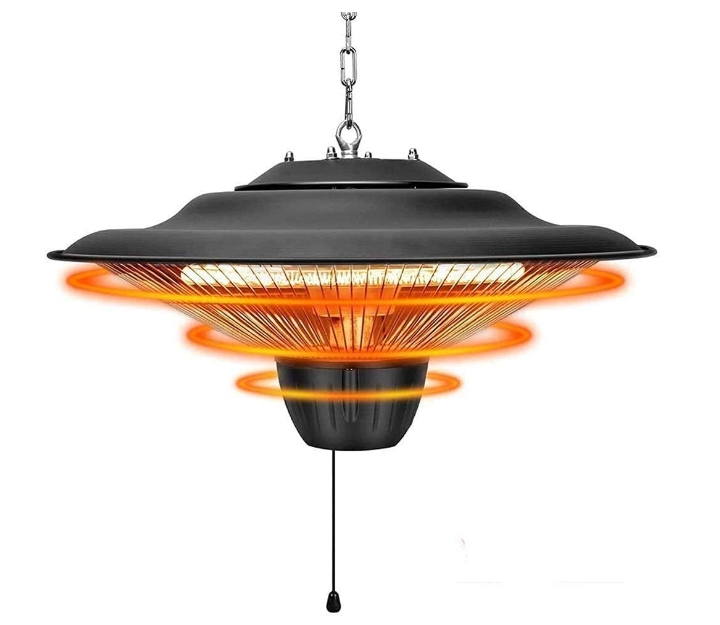
Infrared sunroom heaters don’t waste time warming air. They warm people and surfaces directly, so the heat starts where it’s needed—not in a duct run where it bleeds off along the way. We run these on quartz tube elements because they deliver consistent, even radiant output, and the installation stays simple since they’re designed for standard electrical supplies. A built-in thermostat holds the space at the set temperature, which prevents the energy hogging that comes from overheating. The payoff is targeted warmth with operating costs that are often far lower than what many conventional systems chew through.
Why this fits municipal buildings
Public facilities run on predictable schedules and constant foot traffic. With infrared warmth, the room feels comfortable within minutes of turning the heater on—no waiting around for the building mass to warm up. Because the heat is delivered straight to people and objects, the system doesn’t have to work as hard to keep comfort steady, and energy use drops. That shows up as lower annual heating budgets, fewer service calls, and less downtime. For municipal managers, it’s a practical upgrade that keeps comfort in check while tightening cost control.
The details that make the difference
Infrared sunroom heaters are meant to work with a room’s layout, not fight it—but placement matters. Aim them at seating areas and circulation paths, and keep the clearances needed for airflow and safety. And yes, electric infrared heaters sidestep combustion concerns, but they still need a dedicated circuit and should be matched to the building’s electrical capacity. Plan the circuit and the thermostat location early, and the install goes smoother.