
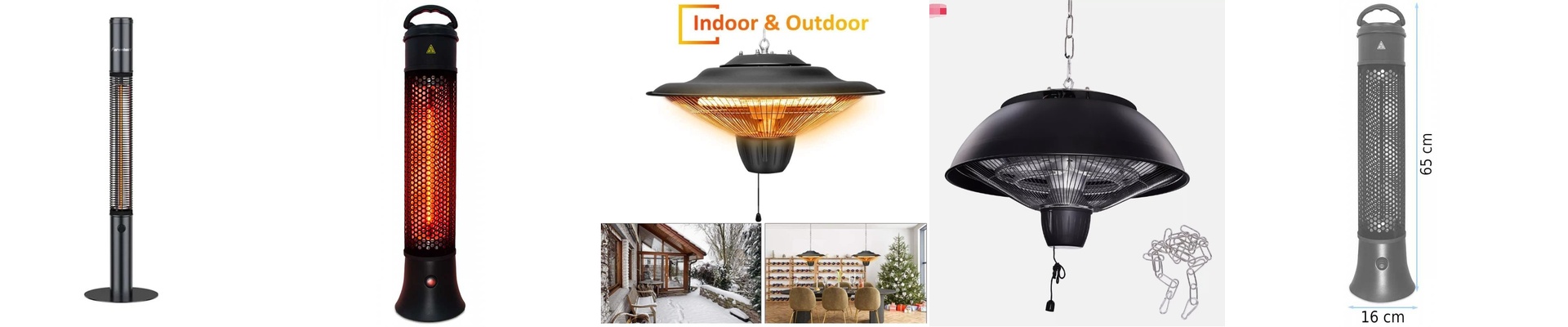
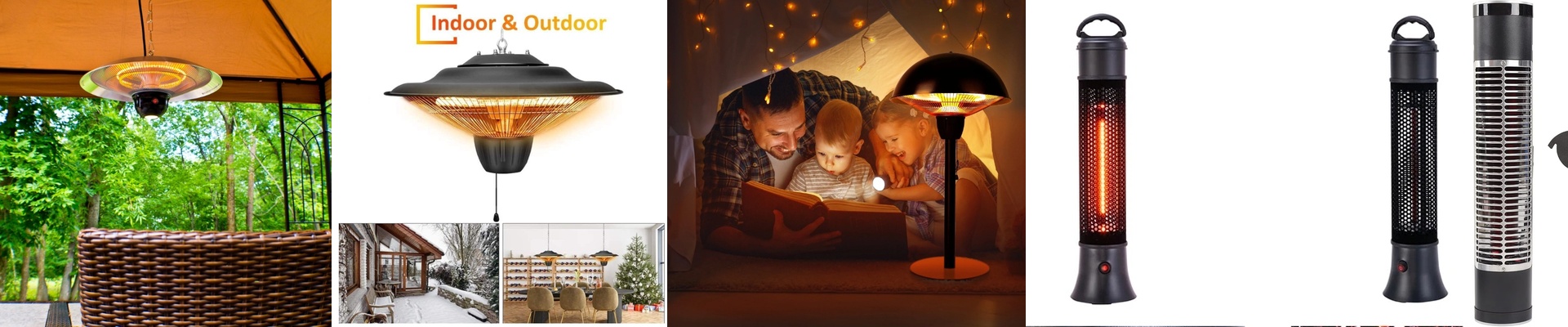

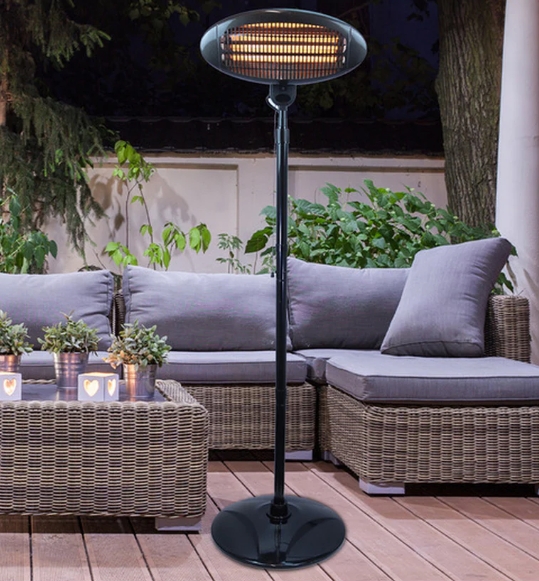
Winter has a way of turning your living room into a waiting game. The air feels thin, the floor stays cold, and the furnace keeps cycling—pushing heat up to the ceiling while your feet never warm up. You want warmth that shows up fast, lands where you are, and doesn’t punish your comfort or your energy bill.
What matters under the hood
An infrared space heater delivers warmth the same way the sun does—through radiant heat. You feel the heat first, and the air warms after. In our design, the element puts out targeted infrared in a comfort-friendly wavelength, so heat spreads evenly across people and surfaces instead of disappearing into the air. Eco mode keeps things steady, dialing power up or down to hold your set comfort level. The payoff is fewer short-cycles, a more consistent feel, and quieter operation.
Why this approach makes sense in real life
The immediate payoff is that radiant warmth is felt the moment it hits—no waiting around for the room to “catch up.” A lot of users notice their shoulders drop and their hands feel steady again, which helps cut through that winter-induced tension. Because the heater is focused on warming people and objects, it can keep comfort up without overheating the air. That helps keep energy use in check. The result is a home that feels cozy on demand—without the jolt of blasting heat or the long, chilly gaps between cycles.
What to keep in mind
Infrared heaters do their best work with a clear line of sight to the people being heated. For indoor use, pick a model listed for the space, keep it away from combustibles, and rely on the built-in tip-over protection and overheat shutoff. If you’re using it in a covered outdoor area, check the IP rating and make sure the electrical circuit can handle the load. One practical note: radiant heat warms surfaces directly, so you can feel warm on your skin even when the air temperature reads lower. Pairing it with a gentle air movement fan helps distribute warmth more evenly.