Getting the Heat Right: Choosing the Right Infrared Lamp for Your Bathroom
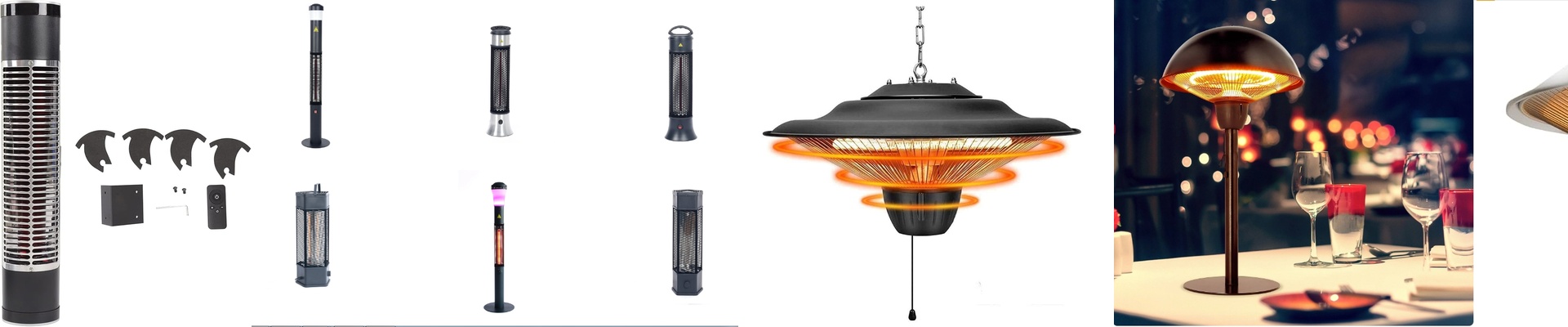
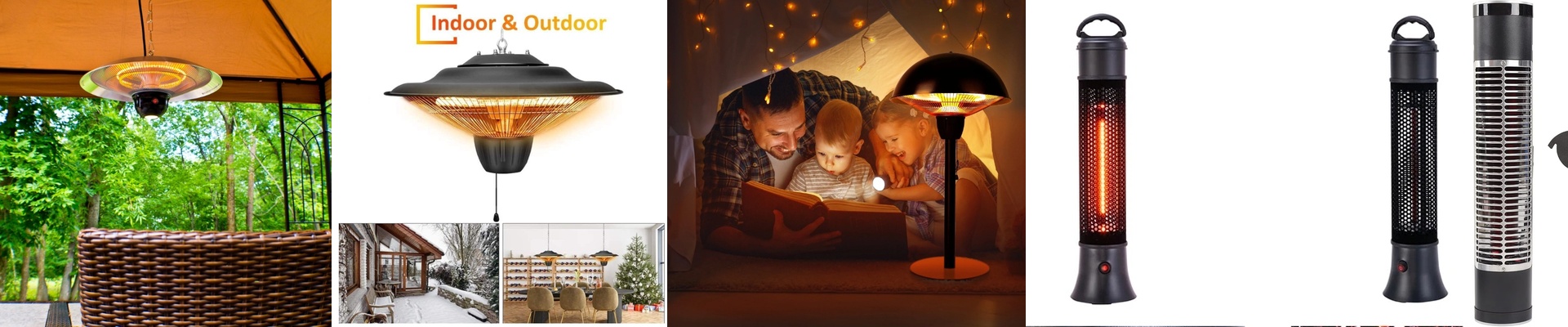
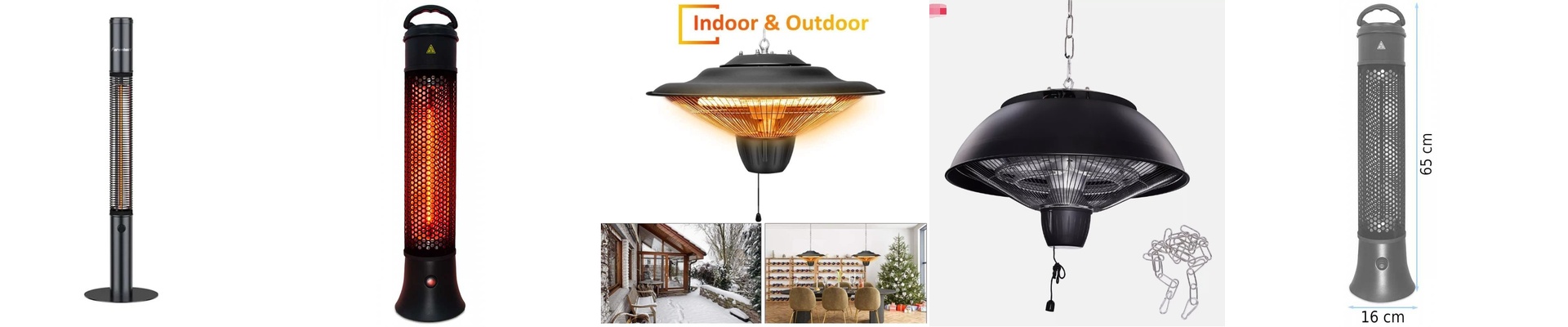
If you’re looking at infrared lamps for a bathroom, the first thing you’ll see is the IPX5 rating. It’s basically the “safety first” badge—it means the unit can handle water splashing from any direction without blowing a fuse. But once you’ve got the safety part sorted, you hit the real question: how much power do you actually need? Get it wrong, and you’re either shivering in a cold room or paying for electricity you aren’t even feeling.
Power vs. Space
Here is the thing about infrared heat: it doesn’t bother warming up the air. Instead, it goes straight for the surfaces—like your skin or the floor. If you’ve got a tiny powder room (under 3m²), a 250W to 400W lamp is usually plenty. You’ll feel that warmth the second you step in. Now, you might be tempted to throw a 1000W beast in there just to be safe, but don’t. You’ll hit the temperature limit way too fast, and the unit will keep clicking on and off. That “short-cycling” just wears out the parts and wastes money. For the bigger bathrooms (5m² to 10m²), you’ll want to move up to 600W or 1200W. But here’s a pro tip: instead of one massive lamp, try two smaller ones. It spreads the heat around much better. Plus, you avoid those annoying “hot spots” where it’s scorching right under the lamp but chilly two feet away.
The “Waterproof” Trade-off
Those IPX5 seals that keep the steam and splashes out are great, but they can be a bit of a double-edged sword. They trap heat. When you put a high-wattage lamp in a tight, waterproof housing, things get hot. Fast. Make sure your fixture has enough breathing room above it for the air to move. If it’s cramped, the internal components might just fry themselves.
Finding the Sweet Spot
It’s tempting to go for the highest wattage for that instant “sauna” feel. But keep an eye on your electrical panel. If you’re plugging in a few 1200W units on one circuit, you might find your lights flickering or your breaker tripping the moment the heat kicks in. Not a great way to start a morning shower. The goal is simple: find the lowest wattage that keeps you comfortable. Your wallet—and your wiring—will thank you.