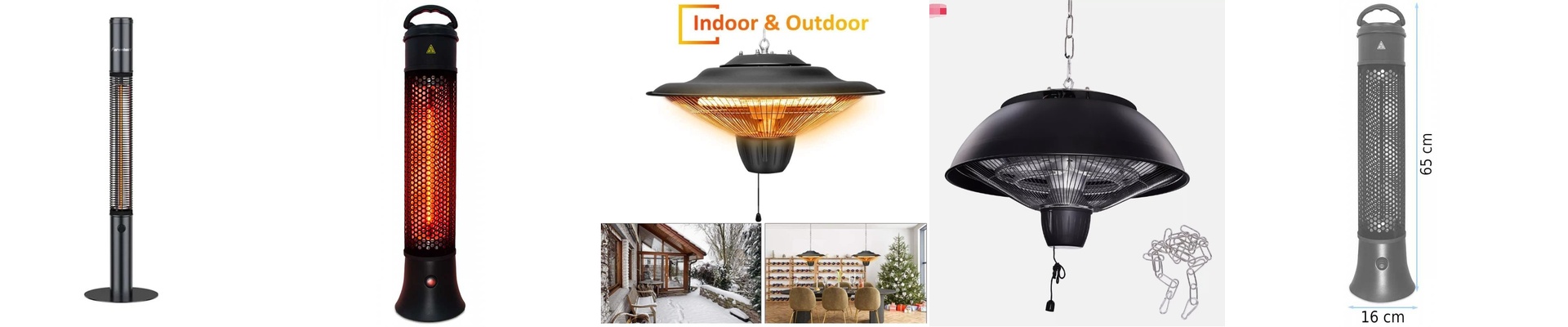
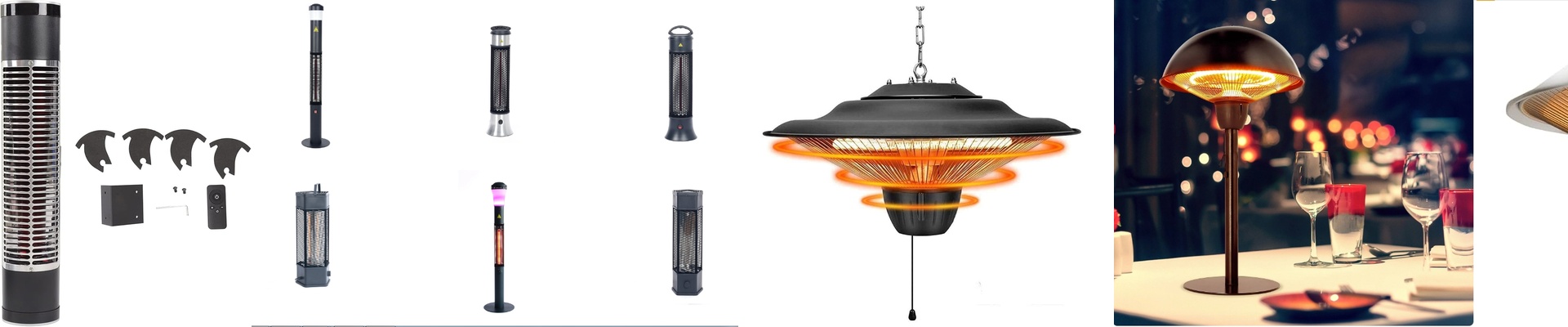

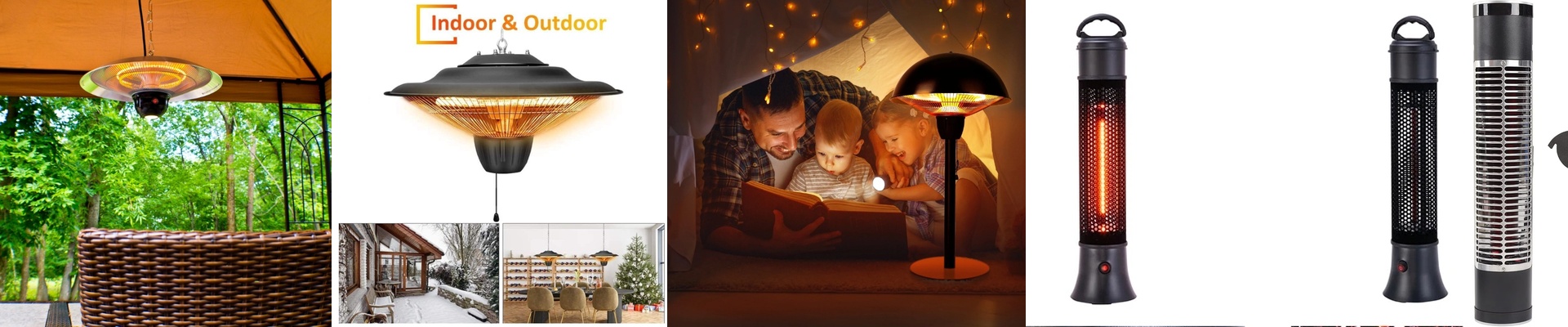
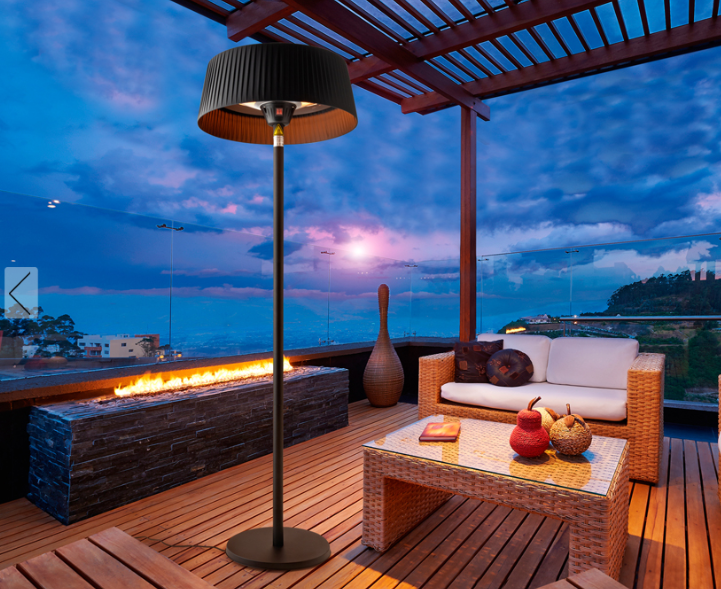
Step outside on a crisp evening and hit the switch. Warmth hits you almost immediately—not that blasting, drying air you get from forced-hot systems, but a steady, even heat that feels more like standing in sunlight. That right there is the signature of an infrared heater, built to deliver radiant warmth the second it’s on.
What actually matters, technically
Infrared heaters work because they send heat straight to people and objects, not to the air around them. Inside, a carbon fiber element or quartz tube hits operating temperature almost instantly, then throws off medium-wave infrared energy. So you feel the warmth within seconds, without waiting for the whole space to “catch up.” Many models are built for targeted efficiency, pulling only the power needed for the area you’re using—typically 400W to 1500W, on standard 120V or 240V circuits. Throw in a thermostat and you keep output matched to comfort, not wasted energy.
Why it clicks in real-world spots
On the patio, deck, or in a chilly sunroom, the payoff shows up fast. Traditional heaters struggle in wind and drafts, pushing hot air upward and losing it. Infrared warmth travels straight to you and stays effective even when the air is cold. The result is quicker warm-up, steady comfort, and less energy spent heating empty space. You also get the wellness side: gentle radiant heat helps muscles relax and supports better circulation, so evenings feel restorative instead of rushed.
The practical stuff you need to get right
Infrared heat is directional, so placement matters. Mount or position the heater to hit the seating area directly, and keep a clear distance from combustibles. For outdoor use, pick a unit with a suitable IP rating for damp conditions. Most will plug into standard outlets, but the higher-wattage models often need a dedicated circuit. One thing to keep in mind: the heat arrives fast, but coverage is best within the stated beam width—think of it as warming the people in the beam, not the whole yard.