
How We Keep Bathroom Heaters Warm but Safe
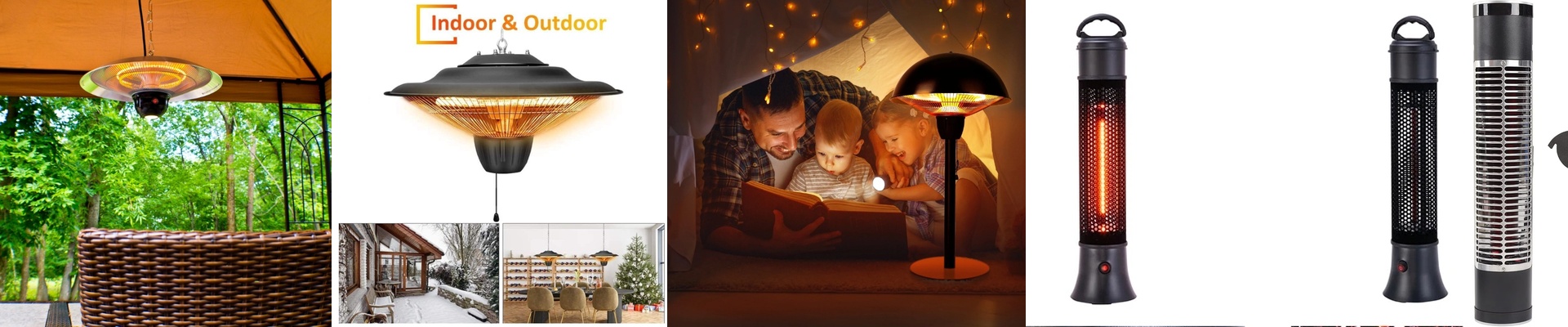
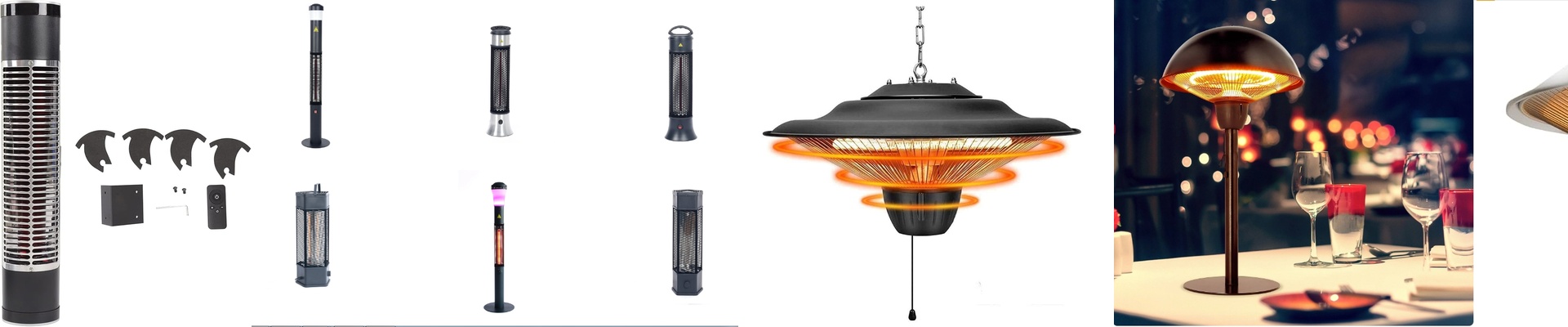
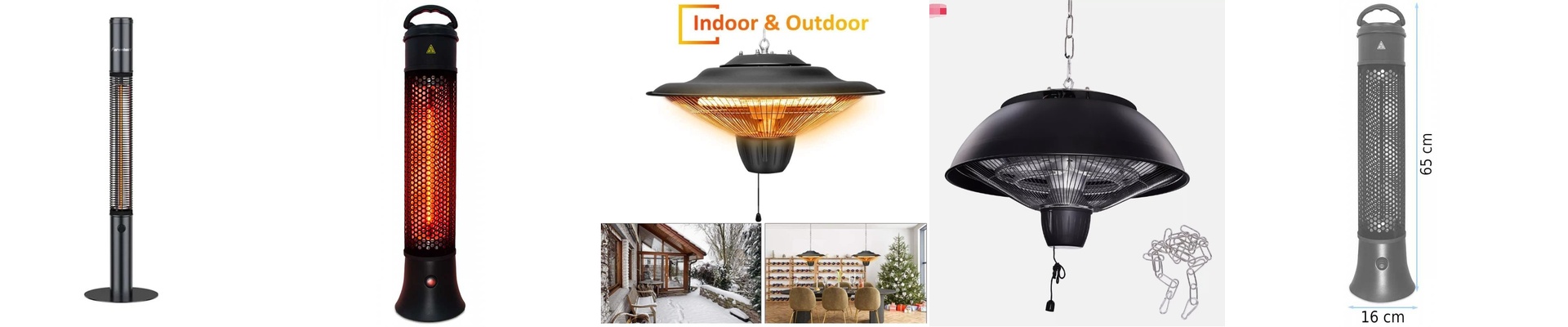
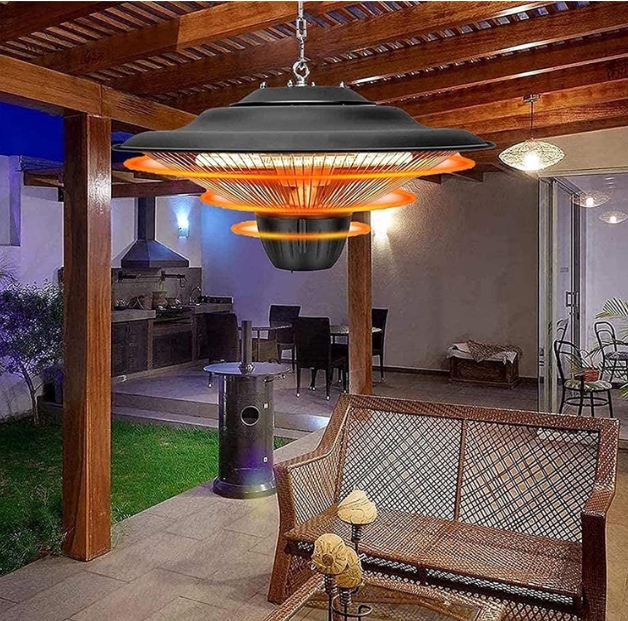
When you’re designing a heater for a bathroom, you can’t just crank up the wattage and call it a day. It’s a tricky spot. You’ve got steam everywhere, and more importantly, you’ve got people—including babies—who might be looking right at the lamp. The last thing you want is a heater that risks damaging someone’s eyes. The light problem Most standard infrared lamps are blinding. They put out this harsh, short-wave light that can actually burn your retina. To fix that, we don’t just use a standard bulb. We use special coatings and filaments to shift the spectrum. Basically, we filter out those aggressive blue frequencies and push the heat into the mid-to-long wave range. It means the warmth sinks into your skin, but it doesn’t flood your eyes with intense light. You lose a tiny bit of that instant “blast” of heat, but it’s a fair trade for knowing your family is safe. Dealing with the splashes Bathrooms are wet. That’s just a fact. To handle this, we build everything to IP44 standards. In plain English? It means the housing keeps out small bits of debris and handles water splashing from any angle. We use high-temp gaskets and sealed cables to keep moisture far away from the electricity. There’s another reason for this: if a drop of cold water hits a scorching hot quartz tube, the glass can shatter from the shock. We’ve shaped the housing to deflect those streams and keep the airflow moving so condensation doesn’t just sit there on the lamp. A quick heads-up on installation Here’s the thing about the wiring. Even with a waterproof shell, the electrical side needs to be solid. These lamps pull a lot of power the moment you flip the switch. If your contractor uses wire that’s too thin, you’ll get voltage drops. It won’t just be less warm—it’ll actually kill the lamp’s lifespan way faster than it should. Just double-check that the gauge is right and everything is grounded. It saves you the headache of a burnout six months down the road.