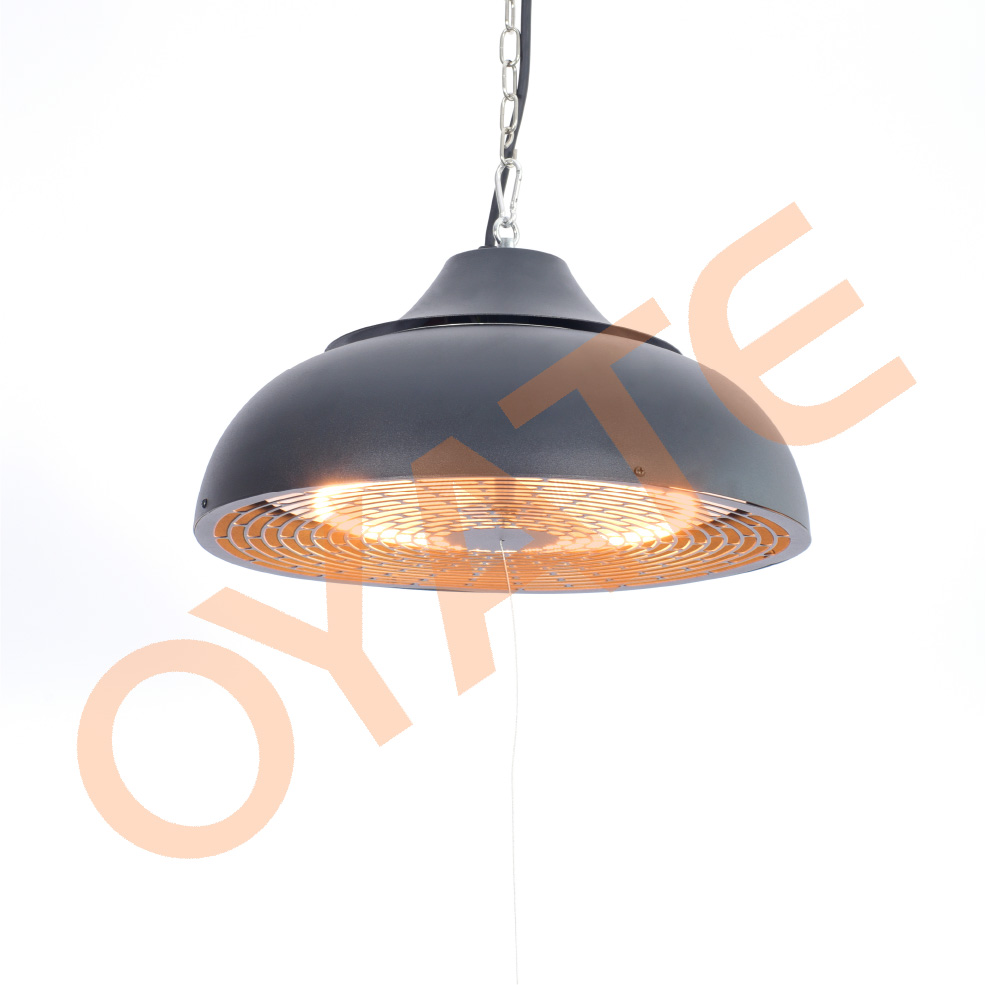
How to actually pick the right heater for your bathroom
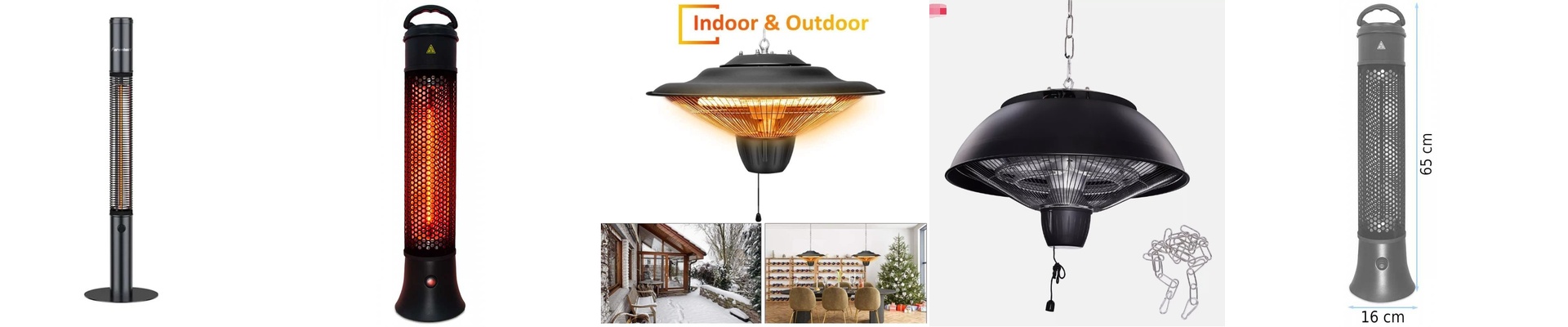
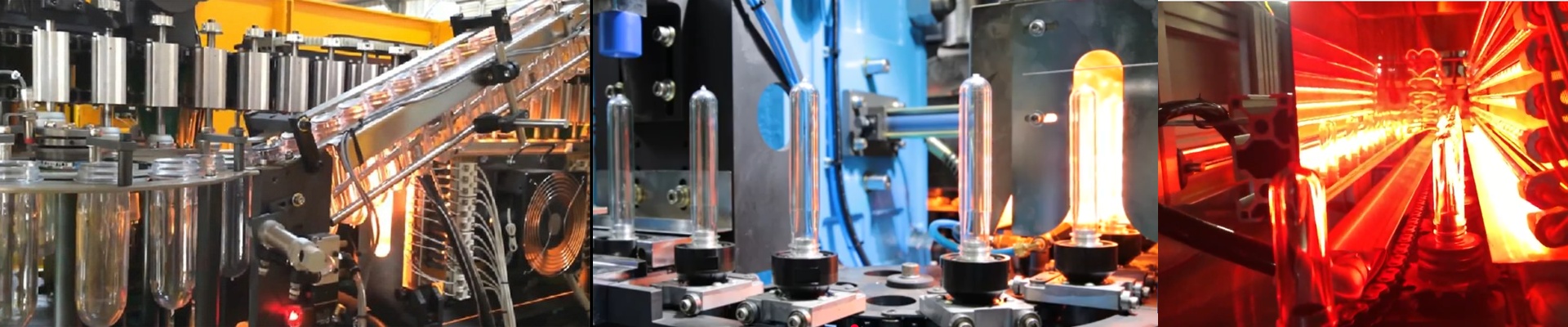
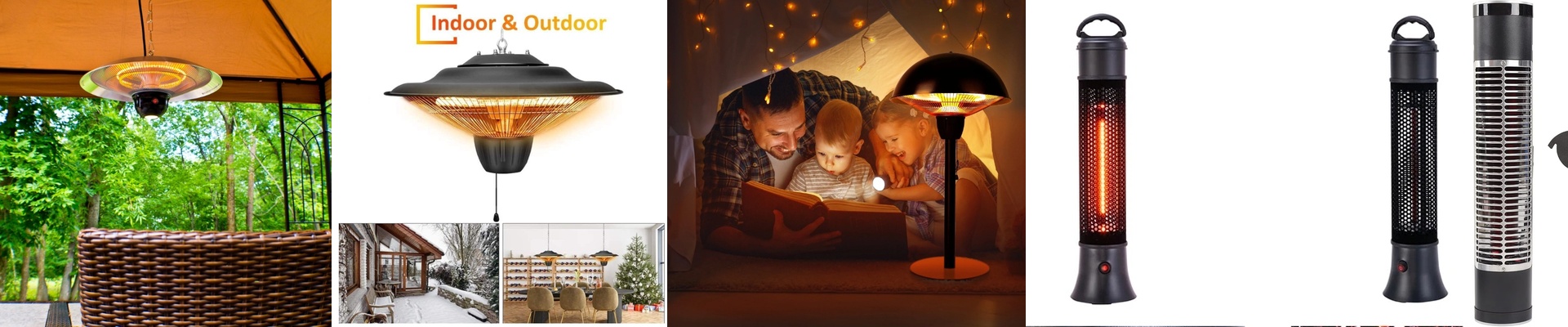
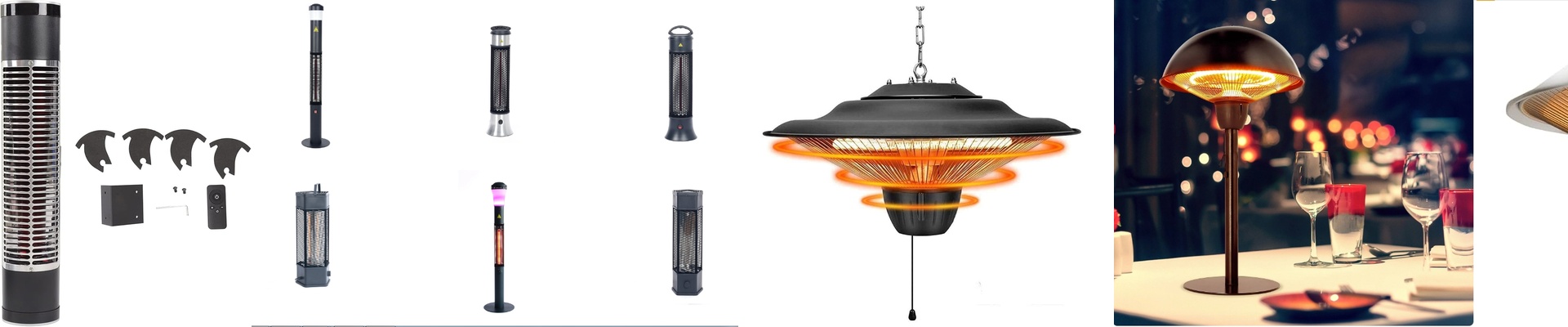
When it comes to heating a bathroom, the instinct is usually to just buy the biggest lamp you can find. But that’s not really how it works. If you just throw raw power at a small room, you’re wasting electricity and probably making yourself miserable. The secret is focusing on the person, not the air. That’s why we use short-wave infrared lamps. They don’t bother trying to warm up every cubic inch of oxygen in the room; they just beam the heat straight to you.
Getting the wattage right
If you’ve got a tiny bathroom—something under 4m²—you don’t need a beast of a machine. A 400W to 600W lamp is usually plenty. If you put a 1200W unit in a closet-sized space, you’ll end up with these annoying “hot spots” where it feels like you’re standing too close to a campfire, and you’ll likely burn out the lamp way too soon. For those medium spaces (between 4m² and 8m²), 800W to 1000W is the sweet spot. Now, if you’re dealing with a massive luxury bath or a commercial restroom, you’ve got two choices. You can go big with 1200W+, or—my personal preference—install a few smaller units. Spreading them out makes the warmth feel much more natural.
The ceiling height trap
Here is where things get tricky. The distance between the lamp and your head changes everything. I’ve seen engineers try to fix a high ceiling by just cranking up the wattage. It doesn’t work. A 1500W lamp hanging 3 meters up often feels colder than a 600W lamp sitting at 2.2 meters. It’s just physics—the heat spreads out too much before it ever reaches you. If your ceilings are high, don’t just buy a more powerful lamp. Look for a reflector with a tighter beam angle. It keeps the heat focused where it actually belongs.
A few real-world tips
Before you start drilling, check your circuit breakers. High-wattage lamps pull a lot of current, and you don’t want to be tripping the power every time you step out of the shower. One last thing: remember that heat goes both ways. A high-wattage lamp sends a lot of energy back up toward the ceiling. Make sure your ceiling material can handle that, or throw in a heat shield so you don’t end up with scorched paint.