
Why We Don’t Mess Around With Bathroom Heaters
Let’s be honest: putting electricity and water in the same room is always a bit nerve-wracking. It’s a recipe for disaster if you get the gear wrong. That’s why we lean so heavily on IP65 enclosures and explosion-proof quartz tubes. We’re basically building a fortress around the heating element so you don’t have to worry about it.
The Deal With Quartz
Here is the thing about standard glass: it hates cold water. If a stray droplet hits a red-hot bulb, it can shatter instantly. Not a great experience. We use explosion-proof quartz because it can take a punch. It handles those wild temperature swings—going from room temp to 800°C and then getting splashed—without cracking. It’s the first line of defense. If that tube ever did give out, the IP65 housing is what stands between a live current and the person in the shower.
Keeping the Water Out
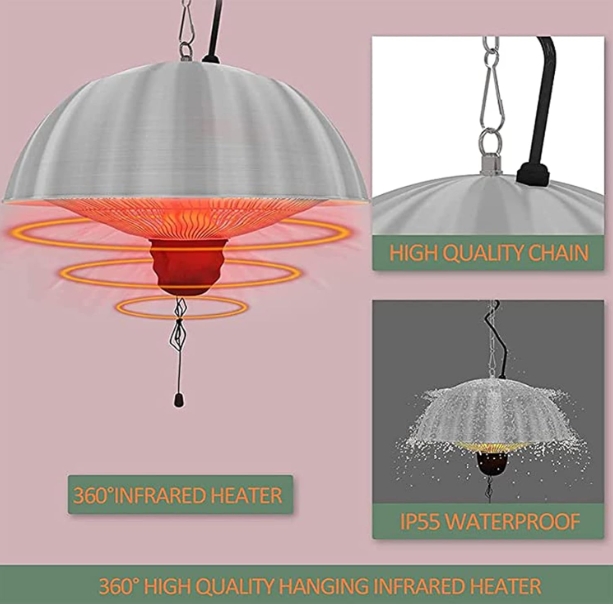
When you see “IP65,” it just means the unit is dust-tight and can handle water jets hitting it from any direction. Sounds simple, but the execution is where people usually mess up. You can’t just throw some cheap plastic seals in there; they’ll melt the second the heater kicks in. We use fluorosilicone gaskets and reinforced cable glands. They stay flexible and tight even after thousands of heat-up and cool-down cycles. It just works.
The Trade-Off
These lamps are incredible for fast drying—you feel the heat the second you flip the switch. But there’s a catch. When you seal everything up tight to keep water out, you’re also trapping heat inside. If the housing doesn’t have the right vents or heat-sink fins, the internal electronics will basically slow-cook themselves. You get that waterproof peace of mind, but you lose some of the natural airflow. It’s a balance we have to get exactly right.
A Quick Tip on Installation
If you’re wiring these up, please—double-check your grounding. In a damp bathroom, a quartz heater pulls a lot of power. If you have a loose connection at the terminal block, it creates a hot spot. That heat can actually eat through your waterproof seal from the inside out. Tighten everything down. It takes two seconds and saves you a massive headache later.