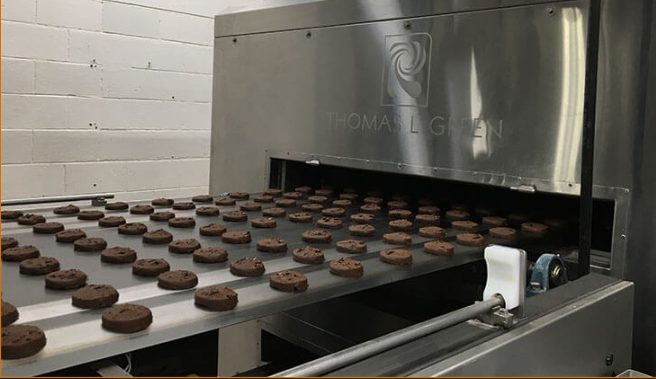
Why We Use Infrared Heating in Professional Deck Ovens
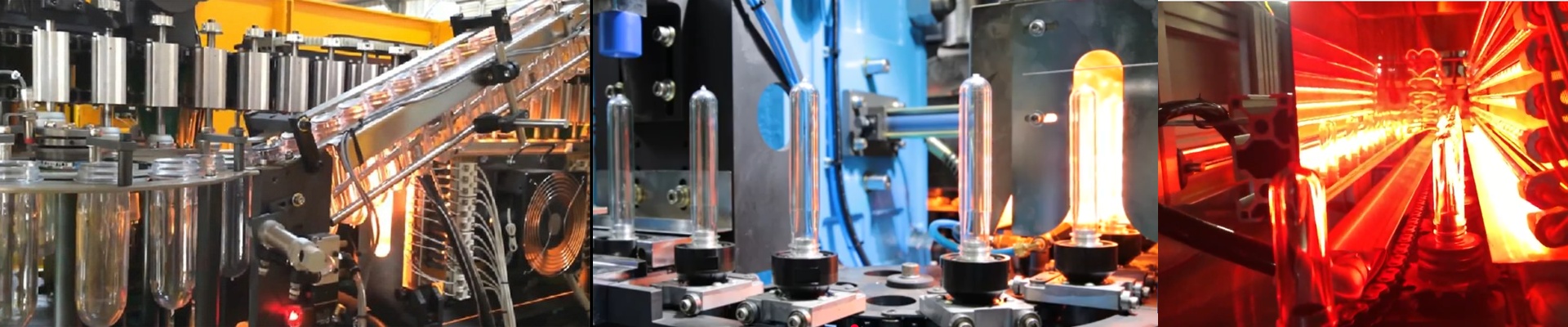
If you’ve spent any time baking seriously, you know the struggle. You’ve got the stone heating the bottom and the air swirling around, but sometimes that’s just not enough. You want that perfect, rapid oven spring and a crust that actually looks professional. That’s why we put infrared (IR) heating elements in the top of the chamber. Think of it like this: traditional coils have to heat the air, and then the air heats the bread. It’s a middleman. IR skips all that. It sends out waves of energy that hit the dough instantly. It’s fast. Really fast. And it changes how your bread reacts the second it hits the heat.
The secret to that golden crust
We build these replacement elements using a tungsten filament wrapped in high-purity quartz glass. Why? Because they hit peak temperature in seconds. It lets you “flash” the top of your loaves. You get that deep, golden-brown Maillard reaction on the crust while the stone keeps the bottom steady. It’s the best of both worlds.
The nitty-gritty on the hardware
Most of these are built for industrial power grids because you need consistent wattage across the whole tube. You’ll usually see them as drop-in replacements with R7s or SK15 bases. We use these specific connectors because they fit tight. When an oven is vibrating or expanding from the heat, you don’t want your electrical connections dancing around—that’s how you get dangerous arcing. One quick heads-up: we use hard-quartz glass so the tubes don’t warp, but quartz is a bit finicky. If flour dust or grease settles on a cold tube, it creates “hot spots.” Those spots can actually make the glass crack. Just keep them clean and you’re golden.
A few things to watch out for
Adding IR heat makes your oven much more powerful in a small space. It cuts down your baking time, which is great for your workflow, but it does put more pressure on your thermostats and relays. If you’re swapping in a higher-wattage element, do yourself a favor and check your wiring gauge. If the wires are too thin, they’ll overheat and burn out under the load. It’s a small check that saves a massive headache later.