Stop Fighting Your Heaters: The Truth About Thermal Lag
If you’ve ever run a high-speed production line, you know the frustration of thermal lag. It’s a nightmare. You tell your PID controller to shut off, but the heating elements just keep on giving. They hold onto that heat and keep radiating it long after they should have stopped. The result? Your temperature overshoots. You look down the line and see scorched materials or warped parts. It happens because your heater basically can’t “turn off” the moment you need it to.
Why you want low inertia
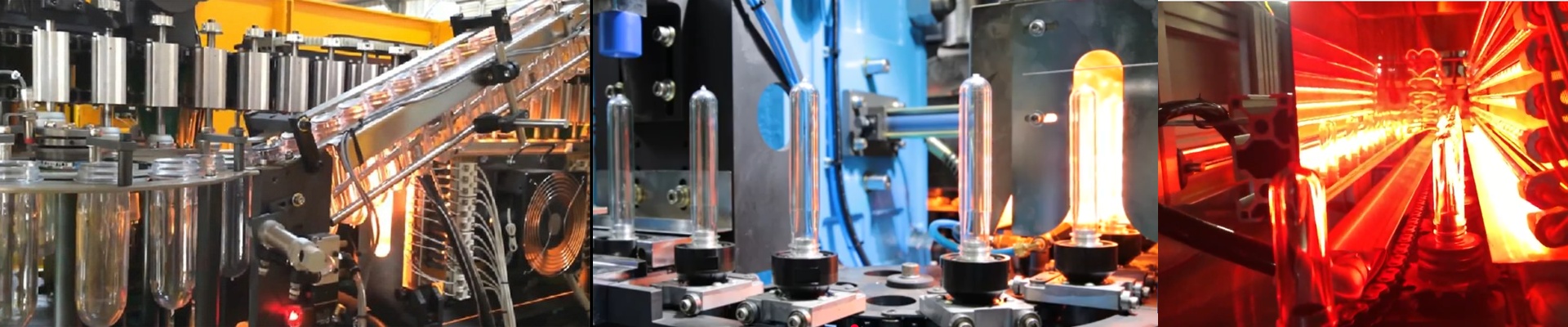
Here is the trick: low thermal inertia. It just means the lamp hits its target temperature and drops back down in a matter of seconds. We do this using short-wave infrared. Instead of wasting time heating up the air or some heavy chunk of metal, these lamps beam energy directly into your workpiece. It’s fast. Really fast. And that changes everything for your control loops. You can actually keep a tight temperature window, even when your line speed starts jumping around. If you’re chasing ±1°C precision, a high-mass heater just won’t cut it. It’s too slow to react.
The trade-offs (because nothing is perfect)
Now, there are a few things to keep in mind. High-wattage quartz tubes pack a massive punch. That’s great for getting up to heat quickly, but it puts a lot of stress on your power supply. Just make sure your wiring and contactors can handle that initial hit of inrush current. Also, these things get hot. Like, really hot. Since the low inertia is what gives you that control, you have to keep your reflectors spotless. If dust builds up, your efficiency tanks. Worse, the tube can overheat and burn out way sooner than it should.
Getting it running
We built these to be drop-in replacements. Whether you’re dealing with R7s or Sk15 connectors, we made sure the electrical fit is secure so you don’t have to worry about arcing. Once you wire it up, you’ll notice the overshoot disappears almost immediately. You can stop obsessing over your PID settings and actually get back to running your line at full capacity.