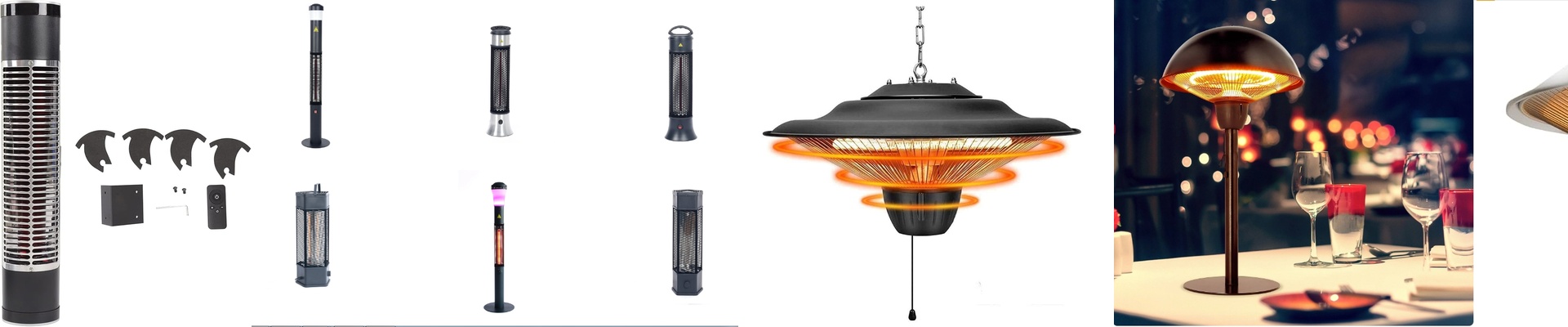
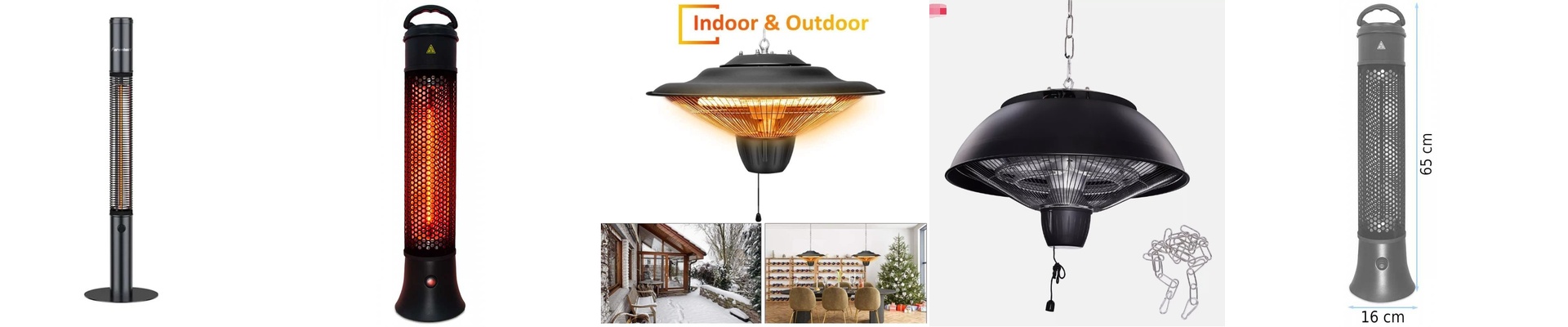
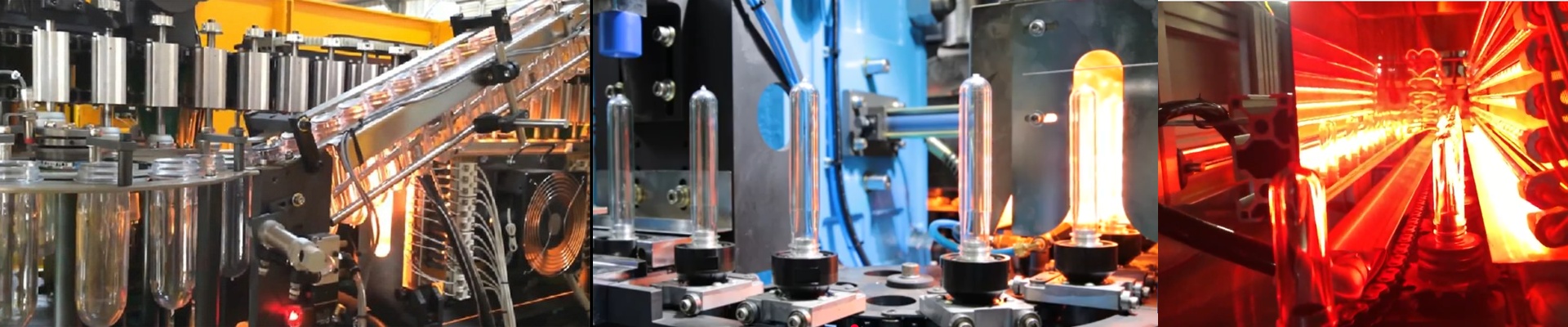

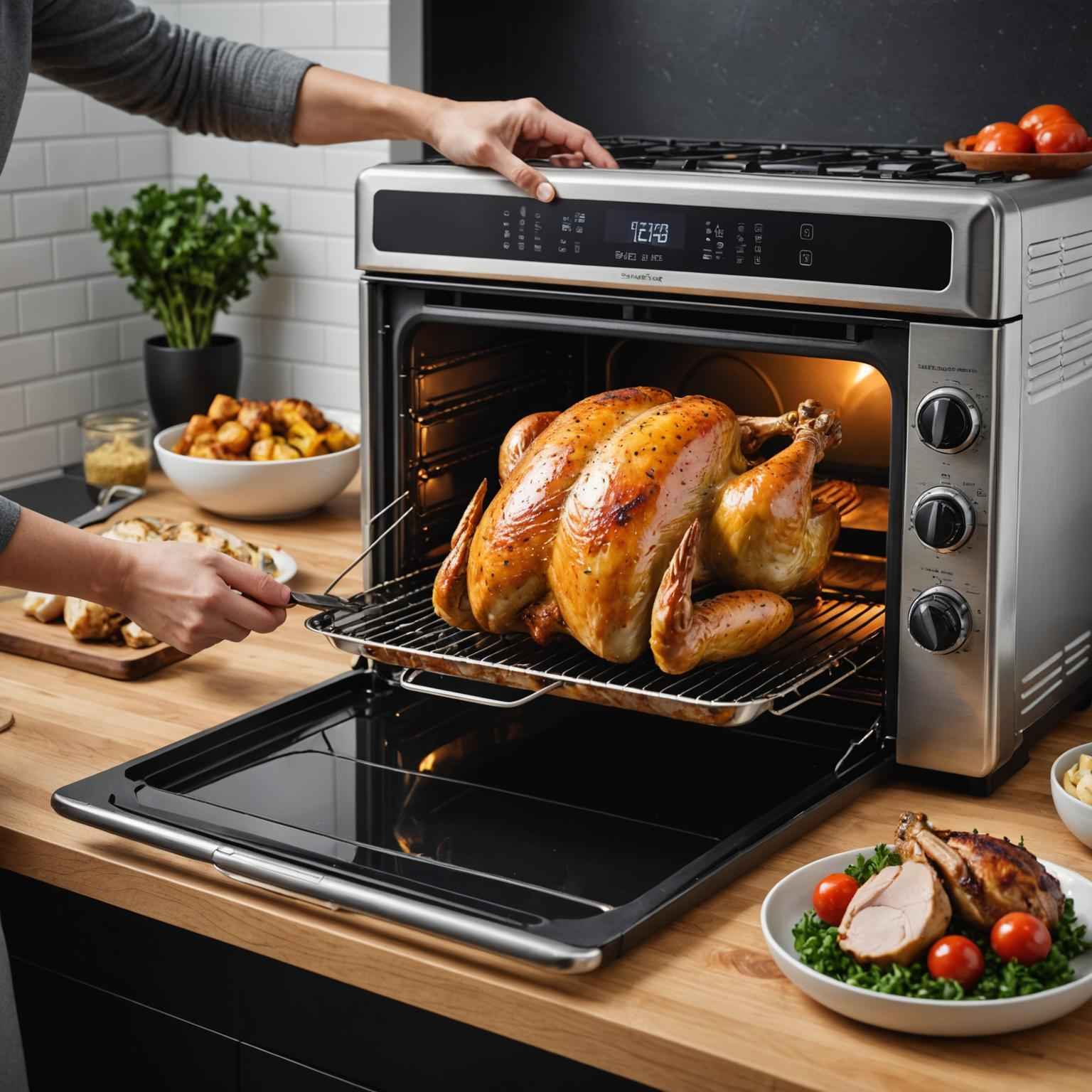
Once that rotary oven door shuts, the bake is live. If the heat isn’t pulling its weight, you see it immediately—pale crust, uneven lift, and a scramble to save trays before the next load hits. We built the drying ceramic heater for rotary ovens to break that cycle, putting steady, even energy right where the baking chamber needs it. The heart of it is a ceramic heating element, built for quick response and tight temperature control. It snaps back fast after loading, so the setpoint doesn’t wander when cold dough meets the stone hearth. The payoff is consistent crust color and caramelization across the whole pan, not just along the edges. In real life, that means a predictable bake window—every run lines up with the last. Here’s why it fits rotary work. Heat has to move with the rotation, not chase it. This ceramic heater keeps the baking chamber in a steady thermal rhythm, so you get fewer hot spots and fewer cold corners. That translates into better texture—crisp outside, tender inside—and less rework from underbaked or overbaked product. Recovery between cycles is quicker, too, so you can shorten the bake day without pushing the oven beyond its comfort. A couple of practical notes. Installation is straightforward, but clearance and airflow matter. Check mounting dimensions and confirm the oven’s voltage and connector type before ordering. These heaters perform best when the baking chamber stays clean and airflow stays unobstructed—flour dust or grease buildup can shift performance more than you’d think. Schedule replacements around your busiest hours, so you never run a bake on a compromised element.