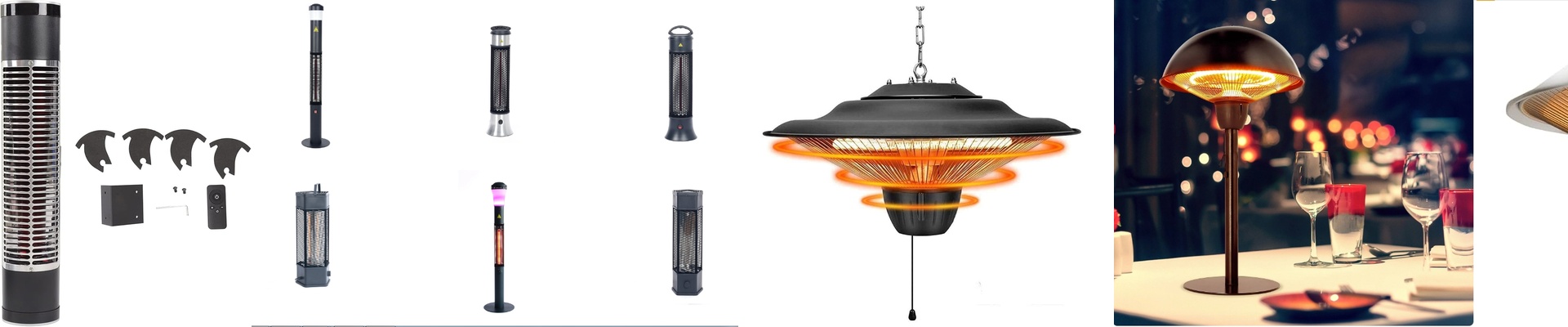
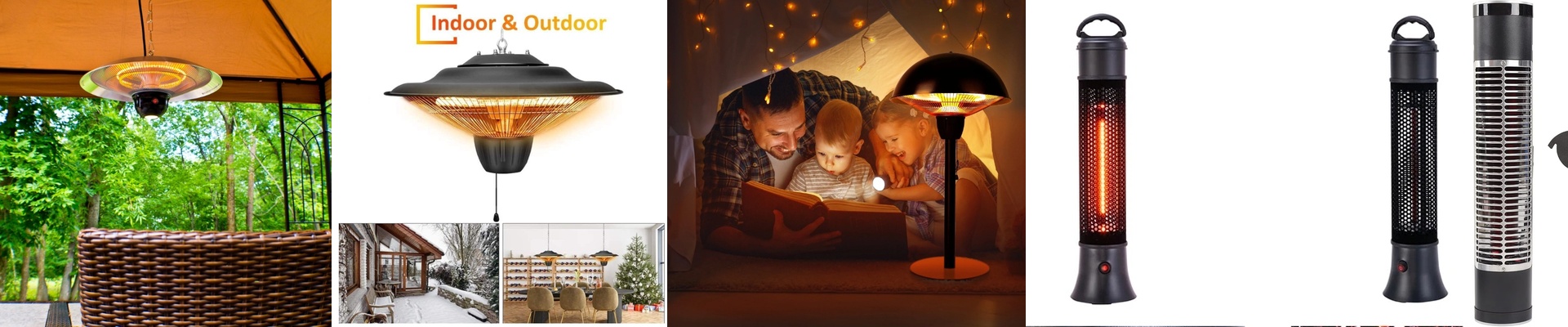
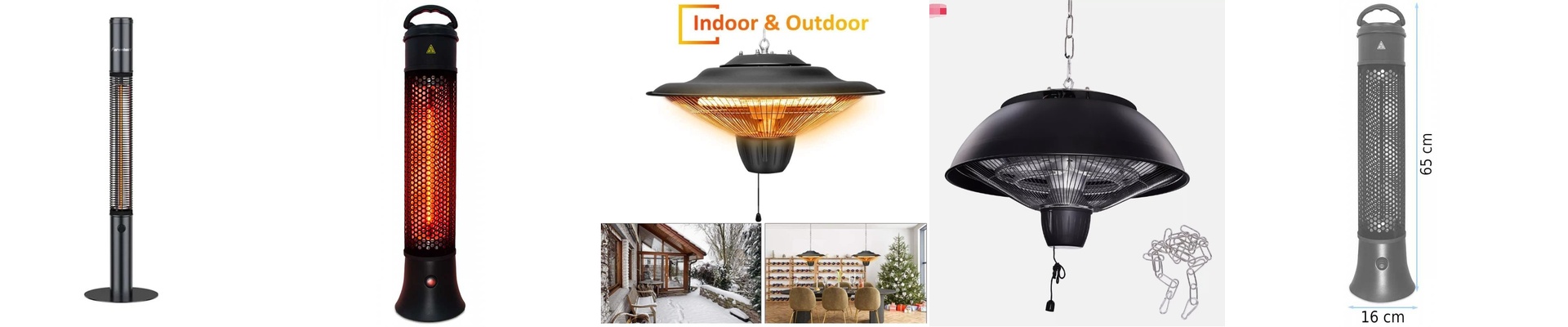
The rush hits before the sun’s fully up. Deck ovens are hot, the rotary’s turning, and those first trays of breakfast breads and pastries have to come out on time—every time. When the heating element starts to lag, the whole line stutters. You don’t just lose a bake; you lose the rhythm of the kitchen. That’s why we built our buffet lamp frosted quartz heating tubes around one straightforward idea: heat you can bank on, shift after shift. This element is engineered for commercial ovens, where uptime and steady temperature aren’t nice-to-haves—they’re the bedrock of service.
What matters under the hood
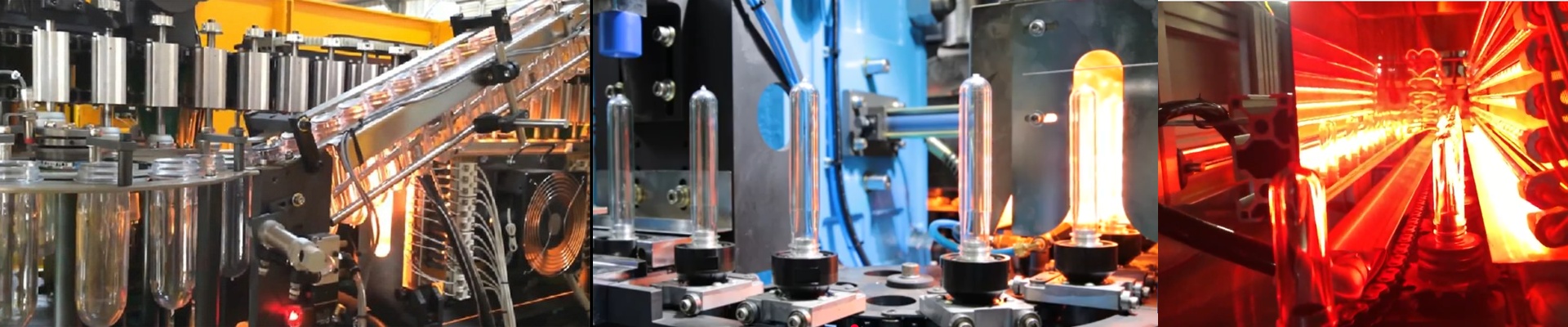
The buffet lamp frosted quartz heating tube is a direct-radiant heat source, wrapped in a quartz envelope that can take repeated thermal cycling. The frosted surface diffuses the output, which helps cut down on harsh hot spots and promotes more even surface heating across pans and stone hearths. The details that translate into performance on the line:
- Quartz envelope: Handles fast heat-up and constant on/off cycling without softening or degrading the way some metal-sheathed elements do.
- Frosted finish: Spreads radiant energy for more consistent pan-to-pan color—especially useful when you’re running mixed pan sizes on the same deck.
- Fast thermal response: Comes up to temperature quickly, so you’re not waiting for the baking chamber to recover after the door opens.
- Standardized mounting and termination: Fits common commercial oven profiles so replacement is clean and downtime stays short.
- High-temperature internal support: Keeps the element stable at normal deck-oven operating temps, limiting sag and holding consistent clearances. This isn’t about chasing peak wattage. It’s about predictable heat, fast recovery, and stable temperature behavior—so your thermostat and your bake profile work together, not against each other.
Why it holds up in real service
In a busy bakery or food service bake line, the heating element does more than get hot. It keeps work moving. On a deck oven with a stone hearth, the hearth has to hold heat while the top heat browns evenly. A frosted quartz tube delivers radiant heat that penetrates the dough surface efficiently, supporting better caramelization and crust development without drying out the crumb. You get more consistent color tray to tray, even when the oven door keeps opening and closing. In rotary ovens, where airflow and rotation are already doing the heavy lifting, the heating tube provides the core energy that keeps chamber temperature stable through full load cycles. That stability keeps rotary bakes on schedule, so you spend less time tweaking settings and more time producing. In convection ovens, the element works with the airflow system to cut recovery time after door openings. When service peaks, that faster recovery keeps bake times intact, so you aren’t forced to stretch cycles just to catch up. And in warming applications—holding finished product or keeping buffet lines at temperature—this tube delivers steady, controllable heat without the swings that dry food out. What that looks like in practice:
- Shorter preheat and recovery, so you can run more bake cycles per hour.
- More even top heat, so crust color is repeatable.
- Fewer temperature swings, which protects delicate products and cuts scrap.
- Longer service life under commercial duty cycles, which lowers replacement frequency and keeps spares in your stockroom, not on the truck.
The practical notes you’ll want before installing
No component fits every situation, and real kitchens have real constraints. Here’s what we tell customers before they install.
- Clearance matters: Quartz tubes run hot at the surface, and oven interiors are tight. Stick to the manufacturer’s clearance specs for your oven model to avoid contact with pans, racks, or interior liners.
- Mounting hardware: Confirm the bracket type, terminal block, and lead length you need. Many ovens use specific mounts, and getting the wrong one can turn a quick swap into a multi-hour job.
- Power and voltage: Match the element rating to your oven’s electrical configuration. A mismatch will either underperform or overload the circuit.
- Controls and thermostats: If your oven has an aging thermostat or erratic cycling, the heating tube won’t fix that. The element needs a stable control loop to do its best work.
- Cleaning and handling: Quartz is tough, but it doesn’t forgive contamination. Keep the element free of oil, grease, and cleaning residue. Handle it with clean hands or gloves—surface films bake on and cause uneven heating. If you’re upgrading or replacing, start with your oven model and the original component spec. We can match the right tube to your oven’s geometry and thermal profile, so the install is fast and the performance is repeatable. When service doesn’t stop, your ovens can’t either. The buffet lamp frosted quartz heating tube is built to keep your heat consistent, your schedule intact, and your food coming out the way your customers expect—service after service.