
A Simple Swap for Your KHS Blow Molder
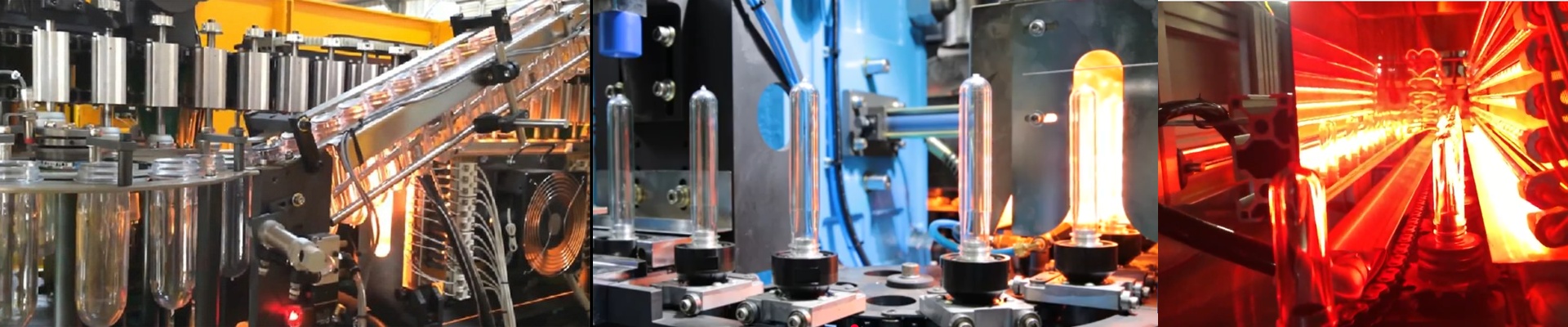
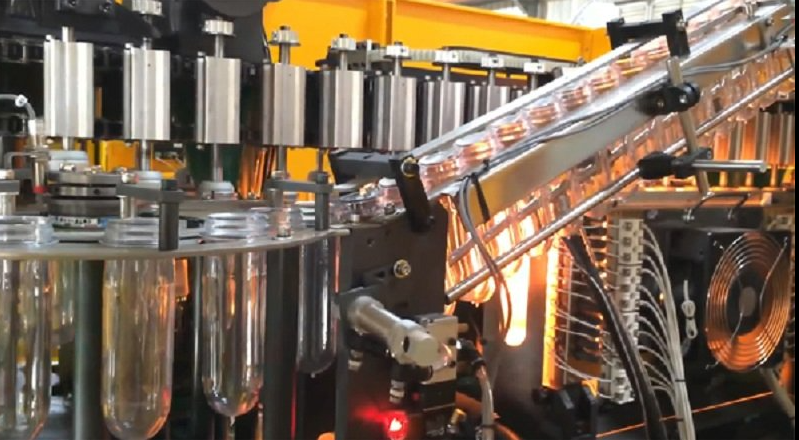
Let’s talk about breathing new life into an older KHS blow molding machine. We’re looking at a straightforward upgrade—just swapping out the infrared heating element—and whether it can actually move the needle on your output. The answer comes down to the replacement lamp itself. Forget the idea of just popping in a generic bulb. This is a precision thermal component, built to slide right into your existing KHS system. It’s a true drop-in, no fuss, no re-engineering required.
Power, Voltage, and the Right Fit
Here’s the thing: the new lamp is engineered to match the original KHS thermal profile. That means it hits the exact wattage and voltage specs your machine expects. It runs on a standard 400V high-voltage setup, giving you the power density you need to get those PET preforms hot, and fast. And that 300mm length? It’s not a guess. It’s a direct match for the heating zone, so you get full coverage without wasting a single watt of energy. It just works with the electrical and thermal logic your machine already has.
Built to Take a Beating
The heart of the lamp is a halogen-filled quartz tube. This design gives you high-intensity, shortwave infrared, which is exactly what you need for quicker heating cycles. And the quartz envelope? It’s tough. It can handle the shock of rapid on-and-off cycling without cracking under pressure. The R7s connector is the standard for this type of component, giving you a solid, high-current connection that’s simple to wire up and easy to maintain. This is a workhorse, built for the rough-and-tumble of the shop floor.
What It Means for You
So, what does this upgrade actually do for you? It’s all about efficiency. The high heat density cuts down on heating time, which can mean a faster overall cycle speed. And the installation is a breeze. You pull the old one out, drop the new one in. Done. But there’s one thing to keep in mind. A 2500W high-output lamp throws off a lot of ambient heat. You’ll want to make sure your machine’s cooling system is in good shape to handle the extra load. For engineers, this is a practical, low-cost way to refresh an aging machine and squeeze a bit more output out of it—without having to overhaul the whole thing.