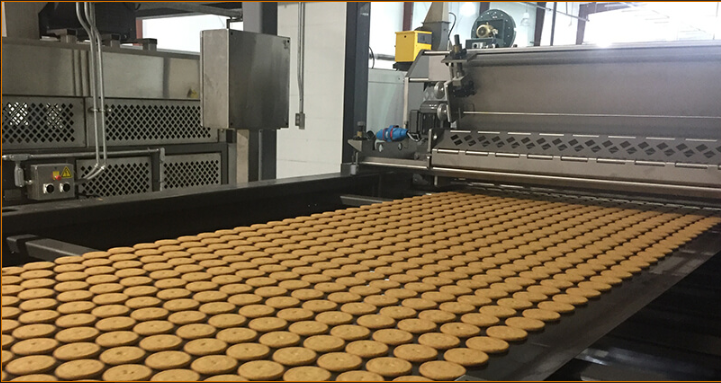
Getting That Perfect Crust: Why Fast Heat is Everything
If you’ve ever pulled a loaf out of the oven only to find the crust is burnt to a crisp but the middle is still doughy, you know the struggle. To get that deep, golden brown—the kind that makes people stop and look—you need a massive hit of heat right on the surface, and you need it now. That’s why we use shortwave infrared (SWIR) lamps in our heavy-duty ovens. Standard heating elements are just too slow. They take forever to warm up. By the time they finally get going, you’ve overbaked the inside of your bread just to get the outside to look right. It’s a losing game.
The Need for Speed
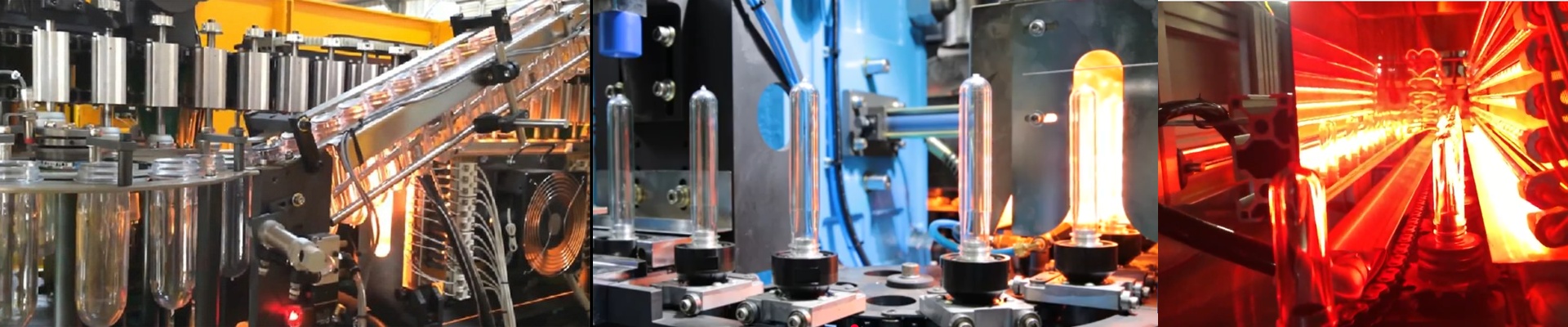
We talk a lot about “second-level response.” In plain English? It means the second a tray of sourdough slides under the heat, the lamp is already at full blast. No lag. No waiting around. We make this happen with halogen-filled quartz tubes. The halogen does the heavy lifting here—it keeps the tungsten filament from burning out too fast. Because of that, we can crank the heat way up, giving you a much denser, more intense blast of energy.
No One Wants to Rewire an Oven During a Rush
When it comes to replacement lamps, we keep things simple. We use standard R7s or SK15 connectors. Why? Because the last thing you or your crew wants to do in the middle of a lunch rush is start rewiring a chassis. You should be able to just pop a new one in and get back to work. We also obsess over the wattage-to-length ratio. By packing a ton of power into a short tube, we create a tight, concentrated heat zone. It lets you aim the heat exactly where it belongs: the top of the loaf.
A Few Things to Watch Out For
Now, this kind of power comes with a catch. High-density infrared puts a lot of stress on your sockets. If your voltage is jumping around or your connectors are loose, you’ll start seeing sparks (arcing) at the contact points. Keep an eye on those. Also, remember that these lamps are for browning, not for warming the whole room. They don’t provide that cozy, ambient heat. If your oven chamber is too cold, you’ll end up with a “shell” effect—a beautiful brown crust with a raw center. The trick is to get your pre-heat settings dialed in first, then let the lamps handle the finishing touch. Balance is everything.