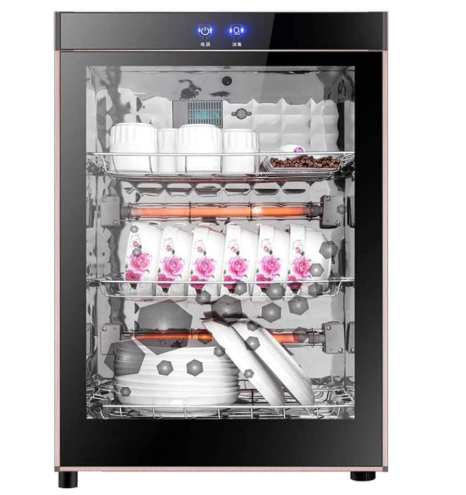
Stopping the Headache of Hot Spots in Steam Oven Drying
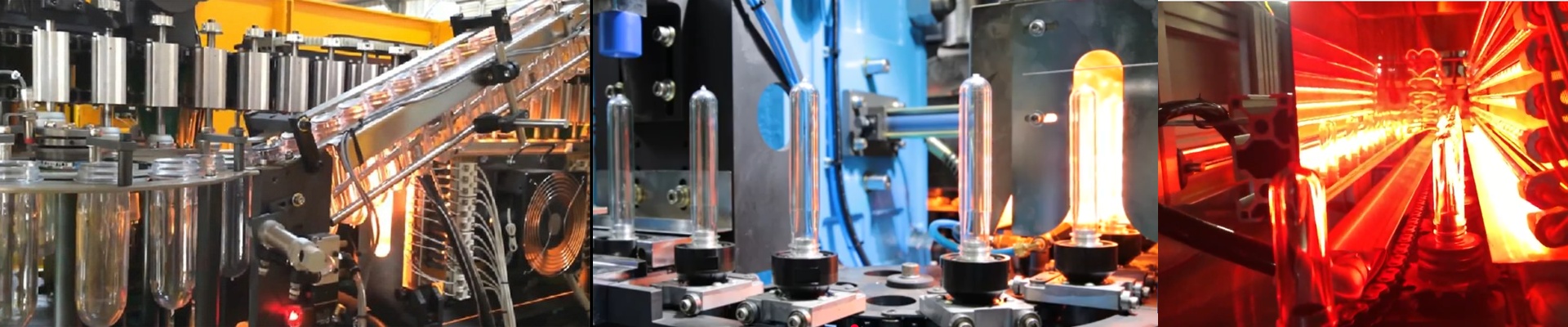
Nothing kills a production run faster than high scrap rates. If you’re relying on convection alone in a steam oven, you’ve probably dealt with those annoying “cold zones.” One part of your product is perfect, and the other is warped or barely dry. It’s frustrating. That’s why we bring in infrared (IR) heaters. Instead of just hoping the air moves the heat around, IR sends radiant energy straight into the material. It hits the surface and penetrates deep, which finally gives you a balanced temperature across the board.
Getting the Heat Right
If you want a flat temperature curve across a big oven, you can’t just blast heat everywhere. You need to be smart about where the wattage goes. We use high-density IR lamps because they let us target specific spots without turning the whole chamber into a furnace. By playing around with the lamp spacing and power, those temperature swings that cause defects just disappear. You can hook these up to a PID controller to keep things tight. One word of caution: if you crank up the wattage to speed things up, check your exhaust. If your system can’t pull the extra moisture out fast enough, you’ll end up with condensation dripping back onto your product. And nobody wants that.
Why IR Works Where Steam Struggles
Think of it this way: steam carries the heat, but IR gives it the “kick.” The steam handles the humidity you need for the cycle, but the IR lamps do the heavy lifting for deep-core heating. We use quartz-envelope emitters because they can take the wild temperature swings of a steam environment without cracking. Just remember that radiant energy moves in a straight line. If your lamps aren’t positioned to match the shape of your product, you’ll get “shadows”—spots that stay cold simply because the light couldn’t reach them.
Setup and Keeping Things Running
The best part? These heaters are basically drop-in replacements for standard arrays. We spend a lot of time on the connection points. Why? Because constant heating and cooling causes metal to expand and contract, which usually burns out cheap connections. We’ve fixed that. Once they’re in, just keep the reflectors clean. It sounds simple, but dust or steam residue acts like a blanket, killing your efficiency. When the reflector is dirty, the lamps have to run hotter to do the same job, and that’s how you fry your filaments early. Keep them shiny, and they’ll last.