Getting Heat to Hit Fast in Cabinet Sterilization
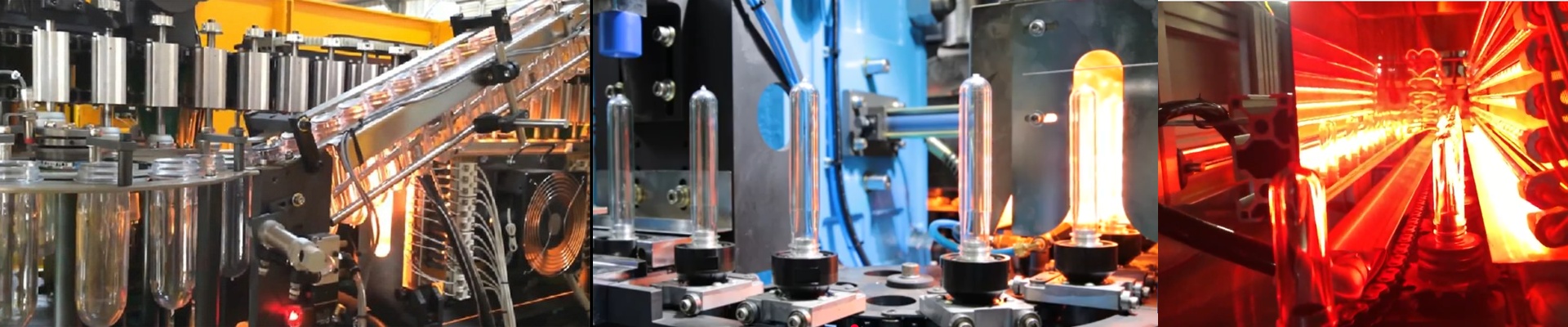
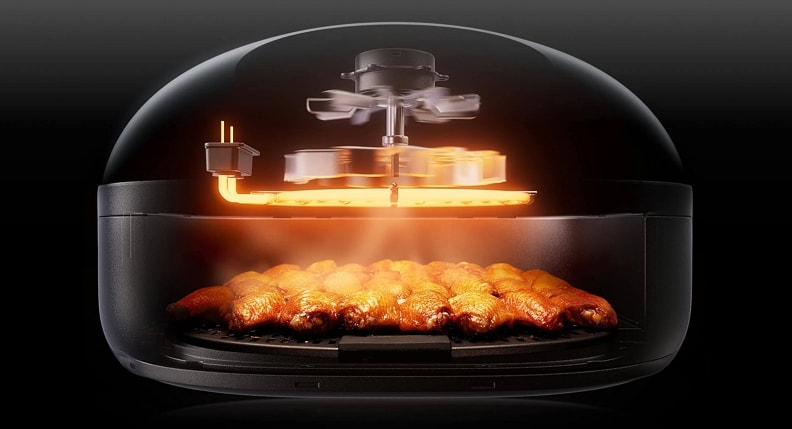
If you’ve ever waited around for a traditional oven or a resistive heating element to warm up, you know the frustration. They’re slow. They have way too much “bulk” to their heat, which means you’re stuck waiting while the air slowly crawls up to temperature. But when you need sterilization to happen in seconds—not minutes—that just doesn’t work. That’s why we lean on short-wave infrared (SWIR) halogen lamps. Instead of trying to heat up all the air in the cabinet, these lamps shoot energy straight into the surface of whatever you’re cleaning. It’s direct. It’s immediate. How it actually works We pick lamps with high power density for a reason. We’re packing a lot of wattage into a small quartz envelope, so the filament hits its peak temperature almost the instant you flip the switch. No more long warm-up cycles. For sterilization, this is a huge win. You can blast a surface with intense heat to kill off microbes, then kill the power immediately. This keeps you from accidentally baking your materials or warping the substrate. The nuts and bolts On the hardware side, we usually go with R7s or SK15 connectors. Why? Because they create a rock-solid electrical connection that won’t spark or arc when the current gets heavy. The glass is high-purity quartz, which is essential because it can handle the “thermal shock” of going from cold to scorching hot in a heartbeat. Plus, if your setup involves a lot of moisture or harsh cleaning chemicals, we can use a coated quartz. It stops the glass from pitting and keeps things clean. The trade-offs you need to watch for Now, here’s the catch. These lamps put out a massive amount of heat in a very tight space. You can’t just toss them into a plastic box and hope for the best. You’ve got to be smart about your insulation and ventilation, or the ambient heat will just build up and cause problems. And please, don’t skimp on the controls. If your control loop is sluggish, you’ll either burn out the filament or melt your cabinet walls. We always suggest a PID controller paired with a fast-sampling thermocouple. It keeps the temperature window tight and ensures you’re sterilizing your product, not overcooking it.