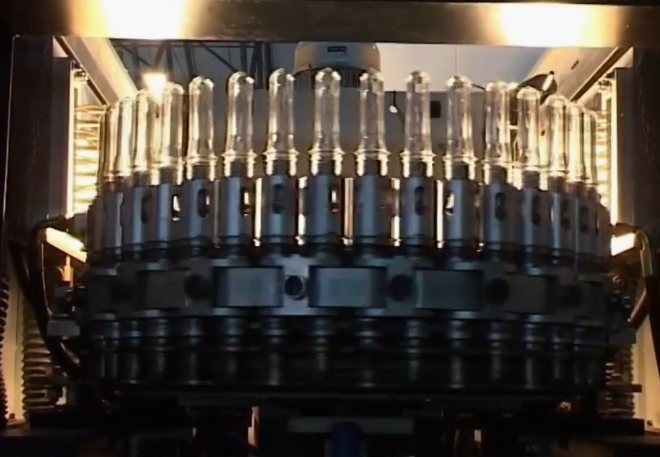
Making Our IR Lamps Actually Work With Your KOSME Machine
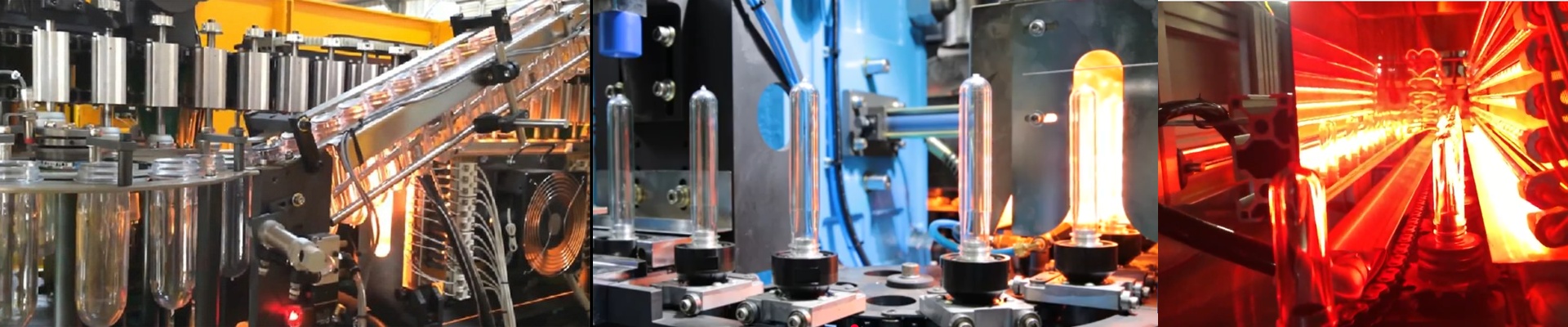
We build our infrared replacement lamps to be simple drop-in swaps for KOSME blowers and other PET stretching machines. We’ve hit about 95% compatibility across different brands, but we didn’t get there by just guessing. We spent the time matching the exact electrical and thermal footprint of the original gear.
It’s all about the power
Here is the thing: KOSME systems are picky about their voltage-to-wattage ratios. If it’s not just right, your preform won’t hit that sweet spot—the glass transition temperature—and you’ll either end up with under-heated plastic or, worse, burnt PET. We spec our tubes to match those loads exactly. If you try to run a 230V lamp in a 400V circuit, you lose heat density. On the flip side, over-volting a lamp is a great way to kill it in a few days. We stick to the exact requirements so your cycle times stay steady and you aren’t constantly tweaking settings.
The gear inside
We use high-purity quartz glass and fill it with halogen gas. Why? Because it lets the lamp run hotter while keeping the light output stable. Some of our units even have special coatings. These shift the emission spectrum so the heat actually sinks into the PET wall instead of just scorching the surface. As for the fit, we use standard R7s or Sk15 bases. You just plug them in. No modifying sockets, no messing with brackets, no headaches.
A quick heads-up on heat
High-wattage shortwave lamps are great for high-speed production because they heat up fast. Really fast. But that puts a lot of pressure on your oven’s ventilation. If your cooling fans are clogged or just too weak, the ambient heat will bake your lamps from the outside in. It doesn’t matter how well the lamp is built; if it can’t breathe, it’ll fail early. Keep your airflow clear and your lamps will last way longer.