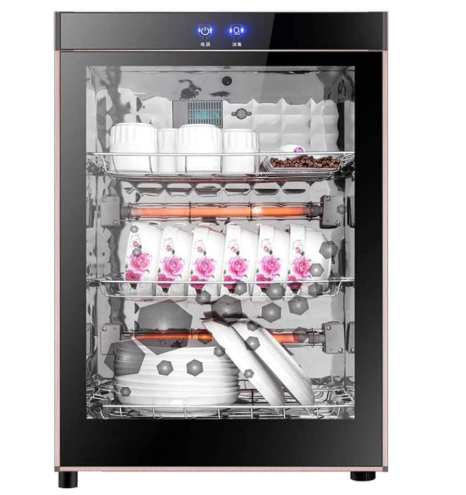
Keeping Your Oven Steady When Things Get Steamy
Let’s be honest: steam ovens are a nightmare for heating elements. You’ve got thick humidity, temperatures swinging wildly, and water droplets raining down on scorching hot metal. If you’re using standard metal elements, they’re going to pit and corrode. It’s just a matter of time before they give out. That’s why we switched to ceramic-encapsulated infrared lamps. Why ceramic? Think of it as a shield. Instead of having coils exposed to the elements, the ceramic housing keeps the steam away from the internal filament. No steam means no oxidation, which means your elements don’t burn out nearly as fast. The best part is how it handles the shock. When you blast a 200°C chamber with a burst of steam, most materials would just crack. Ceramic doesn’t. It just keeps pushing out a steady stream of heat. Fast heat, but a catch. Infrared is fast. Really fast. It sends short-wave radiation straight into the food rather than wasting time heating up the air around it. This means you can lean less on your convection fans and get a much more even temperature across the whole rack. But here’s the thing: ceramic is brittle. It can handle the heat and the moisture, but it can’t handle a beating. If a technician accidentally slams a heavy baking tray into the element, it’s going to shatter. Simple as that. Please, do yourself a favor and install protective guards. It’ll save you from a lot of unnecessary downtime. Getting it installed and running We made these as drop-in replacements. The footprint is standard, so you won’t have to mess around with rewiring your control board. One quick tip: make sure your PID controllers are tuned for the speed of IR. Since these lamps react so quickly, a poorly placed sensor can cause the lamp to overshoot your target temperature. That’s a quick way to kill the filament. Also, keep an eye on your connectors. Wipe away any grease or carbon buildup. If those terminals get dirty, you’ll see voltage drops, and nobody wants that.