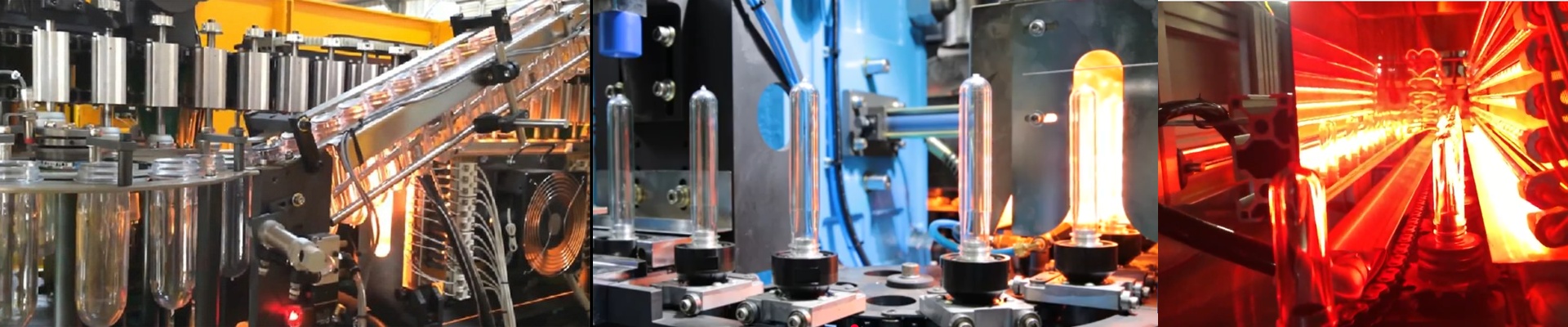
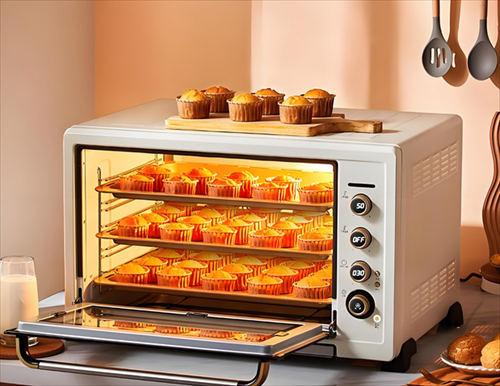
If you’ve ever tried to nail a complex temperature profile in baking, you know the struggle. A thermostat alone isn’t enough. You need a heat source that actually listens to you—something that can snap on and off in a heartbeat. That’s why we use shortwave infrared (IR) heaters. Traditional convection or resistive elements have this annoying “thermal lag.” You tell them to stop, but they keep pumping out heat because the metal is still hot. It’s frustrating. IR is different. Instead of heating up a big chunk of metal, IR sends electromagnetic radiation straight to the surface of your product. The moment you kill the power, the heat stops. Just like that. This lets us play with “stepped” temperatures. You can jump from 150°C to 220°C and then dive right back down without sitting around waiting for a massive oven chamber to cool off. It’s fast. Really fast. To make this work, we use heaters with high power density. Basically, we’re packing a ton of energy into a tiny space. When you pair these with a PID controller and a solid-state relay, you get this rapid pulsing effect that gives you incredible control. But here’s the catch: all that concentrated energy getshot. If you don’t vent the housing or use proper shielding, you’re going to melt your own wiring or warp the frame of your machine. You can’t skimp on the cooling fans here; they need to be beefy enough to handle the heat building up around the lamps. We built these to slide right into your existing baking lines. By using this stepped logic, you stop the surface of your food from scorching while the center finally gets cooked through. No more guessing. No more crossing your fingers. If your current setup takes minutes to react when you change a setting, switching to IR brings that wait time down to seconds. It just makes the whole process feel effortless.