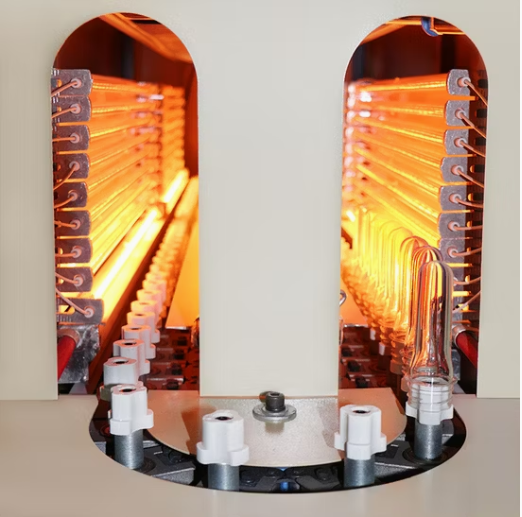
Stop the Burn-Out: Dealing with PET Blowing Line Headaches
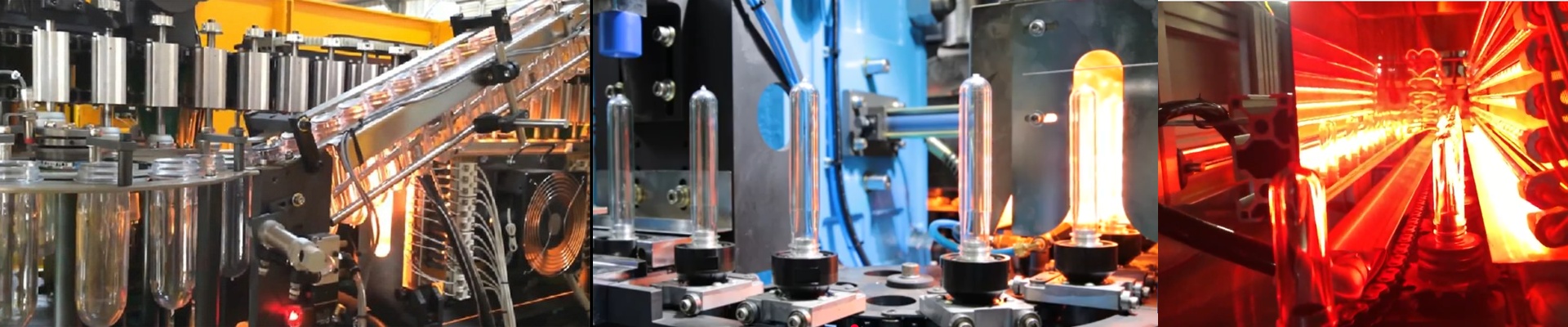
If you’re running Krones Contiform S or SIG Blomax lines, you know the drill. You’re in the middle of a run, and suddenly a lamp pops. Again. It’s frustrating. When your line keeps dropping tubes, you aren’t just losing a few bucks on parts—you’re losing precious uptime. Most of the time, this happens because of thermal stress and a lack of structural support. The bulbs simply can’t take the beating. That’s why we rebuilt our replacement IR bulbs. We focused on hardening the structure so they actually last.
The Balance of Heat and Strength
These are drop-in replacements. That means they fit the exact footprint and electrical load of the OEM specs. You won’t have to mess around with your control cabinets or rewire anything. Here’s the tricky part: to get a PET preform to that glass transition temperature quickly, you need high wattage. Lots of it. But that heat is a double-edged sword. It speeds up your cycle, sure, but it puts a massive amount of pressure on the quartz envelope. To stop the glass from warping under that constant heat cycling, we switched to a reinforced quartz composition. It’s tougher. It holds up.
Where Things Usually Break
Most standard bulbs give up at the pinch seal or the connector. Plus, high-speed blowing machines vibrate—a lot. We strengthened the build to handle those shakes. We also use precision-fit connectors to make sure the electrical contact is tight. Why? Because loose connections create hotspots, and hotspots are exactly what kill your bulbs prematurely. And to make things even better, we added a specialized coating to tune the infrared wavelength. This keeps the heat focused on the preform where it belongs, rather than baking your machine frame.
A Quick Reality Check
Now, look—better reinforcement doesn’t make these bulbs invincible. They still run incredibly hot. If your oven’s airflow is clogged or your cooling fans are on their last legs, no bulb in the world is going to survive. And please, keep your reflectors clean. When dust builds up, it bounces the heat right back into the bulb. That spikes the internal temperature and kills the lifespan of the tube faster than anything else. Keep them shiny, and your bulbs will thank you.