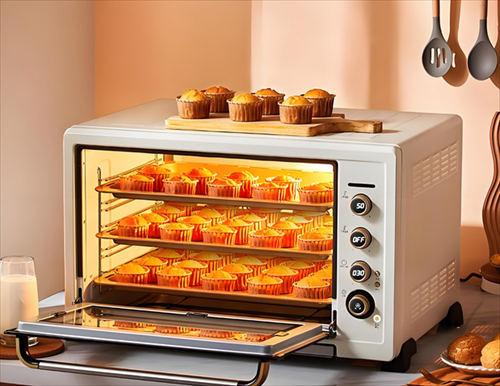
Why Your Catering Oven Needs a Faster Heat Response
If you’ve ever run a busy kitchen, you know the drill. Your convection oven is fighting to keep up, clicking on and off like crazy to maintain that perfect temperature. The problem is, most heating elements are too slow. They can’t keep up with those rapid-fire switching cycles, and that’s exactly where the filament starts to give up. We built our replacement radiant lamps to handle that specific kind of stress. No more burnt-out filaments right in the middle of a dinner rush.
The Secret to That Instant Heat
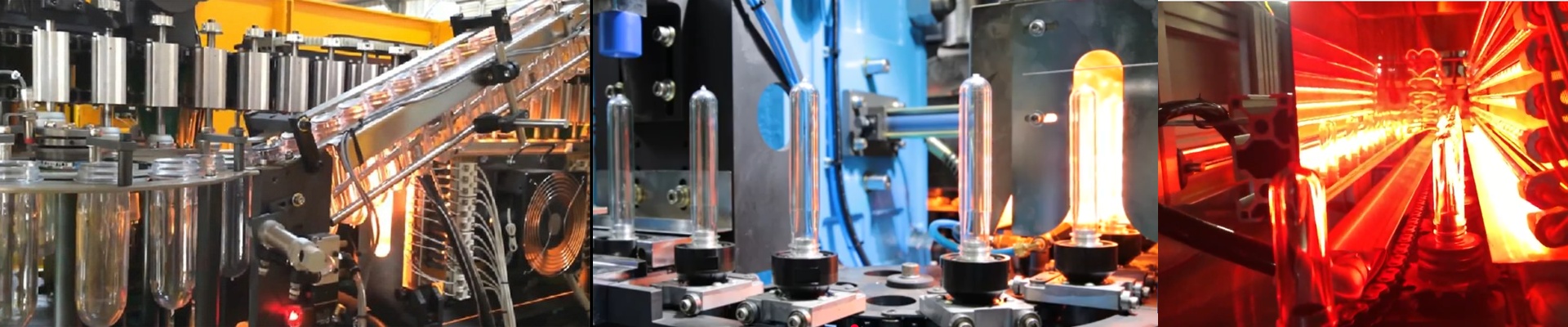
It mostly comes down to what’s inside the bulb. We use a high-density tungsten filament and a specific halogen gas mix. Why does that matter? Because it kills the “thermal inertia.” Instead of waiting for the lamp to slowly warm up, it hits peak wattage almost the second it’s turned on. It’s fast. Really fast. And that means your oven surface stays steady, even when the controller is flipping switches every few seconds.
Surviving the Chaos of a Commercial Kitchen
Rapid switching isn’t just a performance issue; it’s a physical beating. The filament expands and contracts constantly, which usually leads to metal fatigue. Eventually, it just snaps. To stop that, we wrapped everything in heavy-wall quartz glass. It keeps the internal pressure stable and locks out oxygen. It basically gives the lamp a suit of armor so it can survive the brutality of a high-demand kitchen. But here’s a pro tip:**Check your contactors.**If your gear is sparking or pitted, it’s sending dirty voltage spikes straight into your lamp. No matter how tough the bulb is, a messy electrical signal will kill it early. Keep your power clean, and your lamps will last.
A Few Things to Keep in Mind
These lamps are a simple drop-in replacement for most pro units. They pack a ton of heat into a tiny space, which is great for cooking, but it means the oven housing gets hot—fast. Make sure your ventilation is actually doing its job. You don’t want your control board frying because the air isn’t moving. And one last thing: don’t be tempted to over-drive the voltage just to get a bit more speed. You might get a faster ramp-up, but you’re trading away the lifespan of the bulb. Stick to the rated voltage. It’s the sweet spot for speed and longevity.