Let’s Talk About IR Heaters in Heavy-Duty Ovens
If you’re running a convection oven for 10 hours a day, you know it’s a brutal environment. Your infrared (IR) heating elements are basically in a fight for survival every single shift. When people think about switching from those expensive, big-name brands to high-quality domestic IR tubes, the first question is always the same: Is this thing actually going to last, or is it going to burn out the second I push it?
The Real Deal on Filament Life
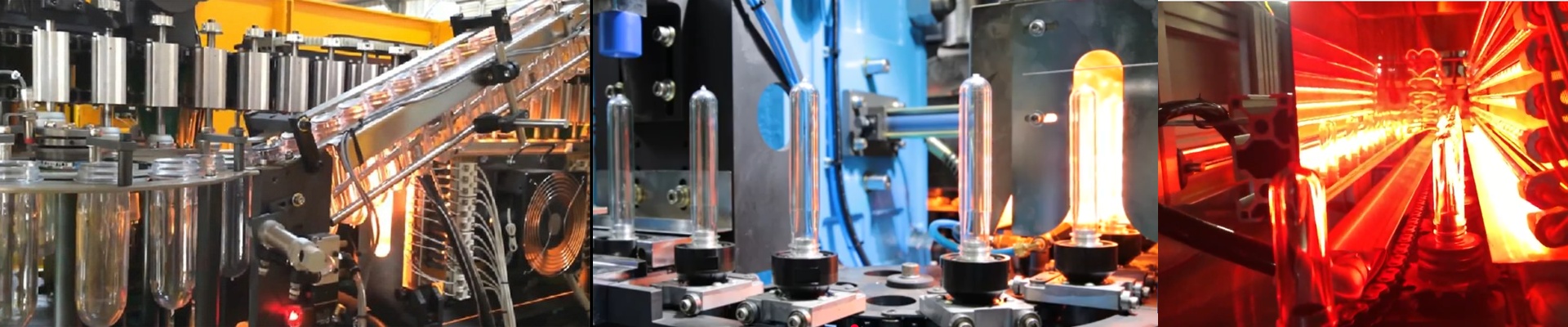
Here is the thing about high-end domestic tubes. They use high-purity quartz and tungsten, which is exactly what you want. In a stainless steel oven, the heater isn’t just sitting there radiating heat—it’s battling constant air currents. We make sure these tubes keep their wattage steady, even when the oven is packed to the brim. It really comes down to the glass. If there are impurities in the quartz, you get hotspots. And hotspots? They kill filaments. Simple as that.
Dealing with the Heat
Stainless steel interiors are great for reflecting heat, but they create a bit of a feedback loop. The tube’s surface temperature climbs higher and higher. To keep the glass from sagging or cracking during those long 10-hour marathons, we use reinforced quartz. It just holds up better. But a quick heads-up on your wiring. If you’re dropping these into an old rig, double-check your controllers. Some domestic filaments hit their peak temperature faster than the European ones. If your over-current protectors are set too tight, they might trip. It’s a quick fix, but it’s something to watch for.
What Happens on the Shop Floor
Can domestic tubes actually keep up with the “premium” brands? Honestly, yes. As long as the tungsten grade is consistent, they hold up just fine under heavy loads. The manufacturing gap is pretty much gone now. You get a replacement that fits perfectly and doesn’t drain your bank account. Just one last tip: keep your ventilation clean. High heat density is a beast. If your vents are clogged with dust or grease, it doesn’t matter whose lamp you’re using—the heat soak will fry it every time.