Why we’re switching to infrared for baking
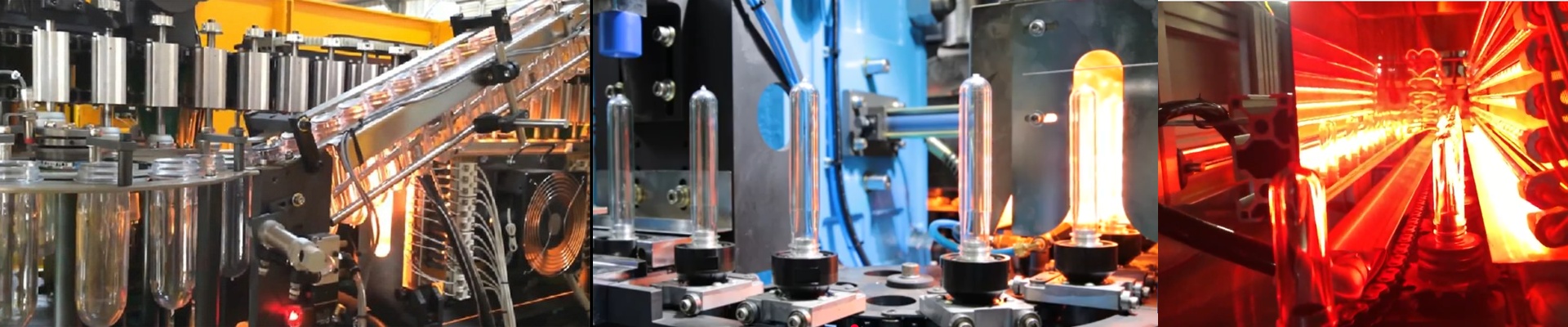
Most convection ovens are basically giant heat traps. They spend a ton of energy warming up every single inch of air in the chamber before your bread even feels a thing. It’s a waste. That’s why we use short-wave infrared (IR) emitters. Instead of fighting with the air, IR sends energy straight to the surface of the bread. No waiting around. No wasted heat. Just direct action. How it actually works Think of it like the sun on your skin. The IR lamps excite the molecules in the food directly. We use quartz envelopes for these lamps because they can handle the stress of turning on and off quickly without cracking. The best part? You can point the heat exactly where you need it. You aren’t paying to heat a big empty void of air. Getting the hardware right If you’re wiring these into an oven, you’ve got to be careful with your power. Your wattage and voltage need to line up perfectly with your power rail, or you’ll burn through your lamps way too fast. High-wattage tubes save space, but they’re tougher on your sockets. I always tell people to double-check their connectors—whether you’re using R7s or custom pins. If the contact points oxidize because of all that heating and cooling, you’re going to have problems. The honest truth about “Green Baking” Switching to IR definitely helps the planet. You slash your pre-heat times and stop wasting electricity while the oven idles. But it’s not a magic wand. IR heat is intense. If you crank the power too high or put the lamps too close, you’ll end up with a burnt crust and a raw center. It’s a balancing act. You have to play around with the distance and the pulsing cycles to get that perfect, even bake. When you get it dialed in, your oven stops being a simple box and starts acting like a precision tool. You get more loaves out the door and a much smaller electric bill.