
Keeping Your Rotary Ovens Hot (And Your Stress Low)
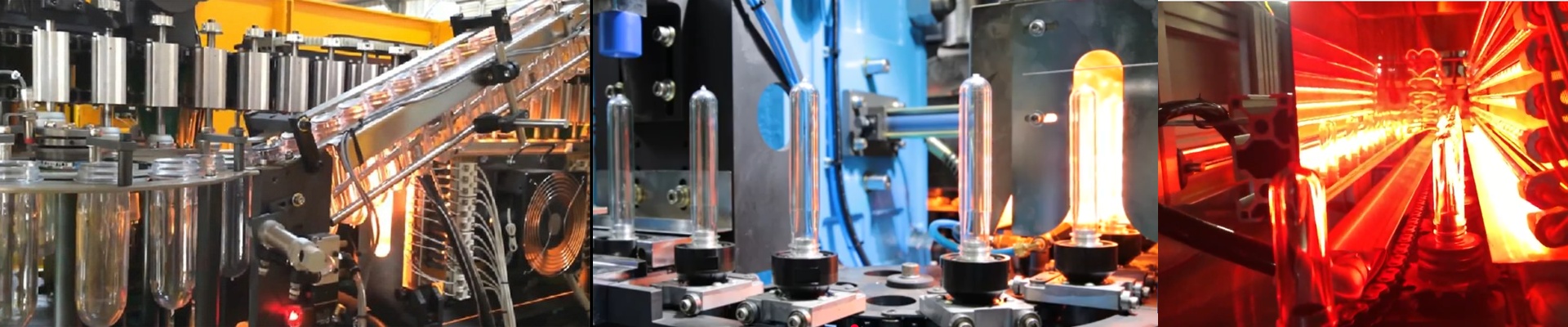
If you’re running rotary ovens ten hours a day at full tilt, you know the drill. You’re basically putting your heating elements through a torture test every single shift. When it comes time to replace those tubes, a lot of people get stuck in a loop. Do you stick with the expensive, big-name imports, or do you take a chance on a high-quality domestic tube? Usually, the worry is simple: Is a local tube actually going to hold up, or is it just going to burn out in a week? Here is the real deal on how this works. Why “Fast Response” Actually Matters Think of these tubes as the sprinters of the heating world. They use a thin tungsten filament inside a super-pure quartz shell. We use a halogen cycle to keep the tungsten from evaporating away, which keeps the wire thickness steady. In a rotary oven, your target is always moving. You can’t afford a slow warm-up. You need that heat to hit peak intensity the second the power kicks in. If there’s a lag, you end up with uneven curing or—even worse—under-baked products that you have to scrap. It’s about precision. The Truth About Domestic vs. Imported Let’s be honest: the gap between top-tier local tubes and the fancy imports has pretty much vanished. It all comes down to two things: how pure the quartz is and how tight the vacuum seal is. We build our tubes to handle the same voltage swings and thermal shocks as the expensive brands. As long as that quartz is clean and free of impurities, it won’t crack when it expands and contracts during those grueling 10-hour shifts. You get a part that drops right in, matches your wattage, and just works. A Few Things to Watch Out For Now, there’s a trade-off. We all want high heat density, but pushing more power into a shorter tube makes the quartz surface get incredibly hot. This is where you have to check your gear. If your oven’s airflow is weak or the housing is cramped, you’re asking for trouble. When the cooling fails, your connectors overheat and oxidize. Once that happens, it doesn’t matter whose brand is on the tube—it’s going to die. Keep your contacts clean. Keep your voltage steady. Do that, and you’ll get every bit of life out of the tube.