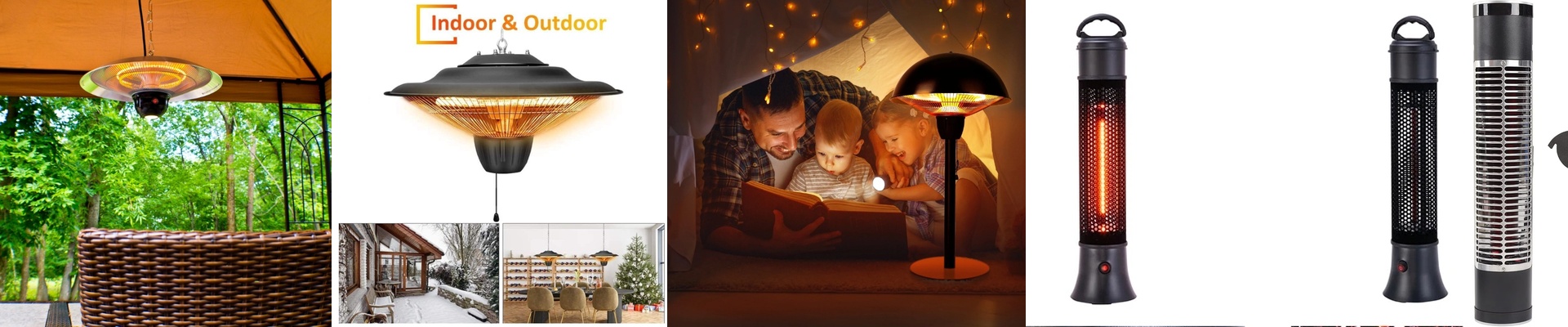
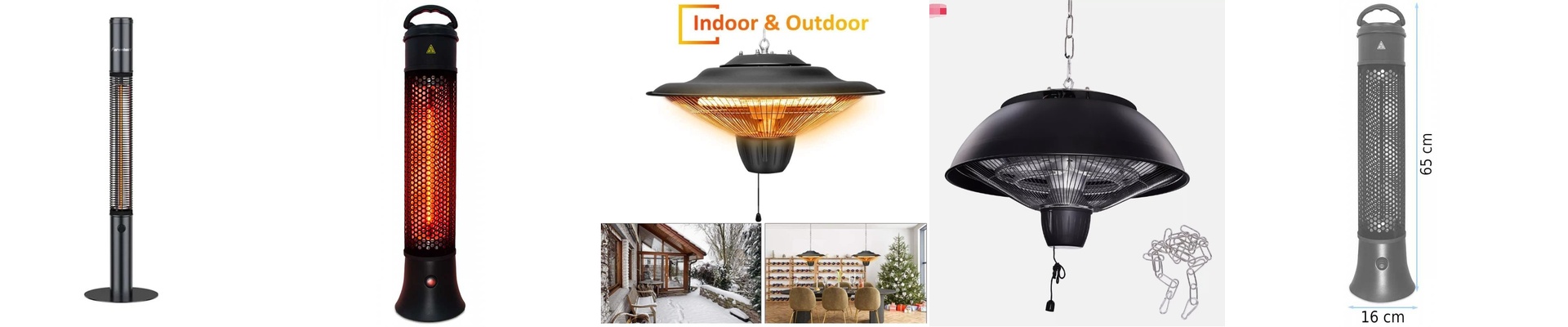
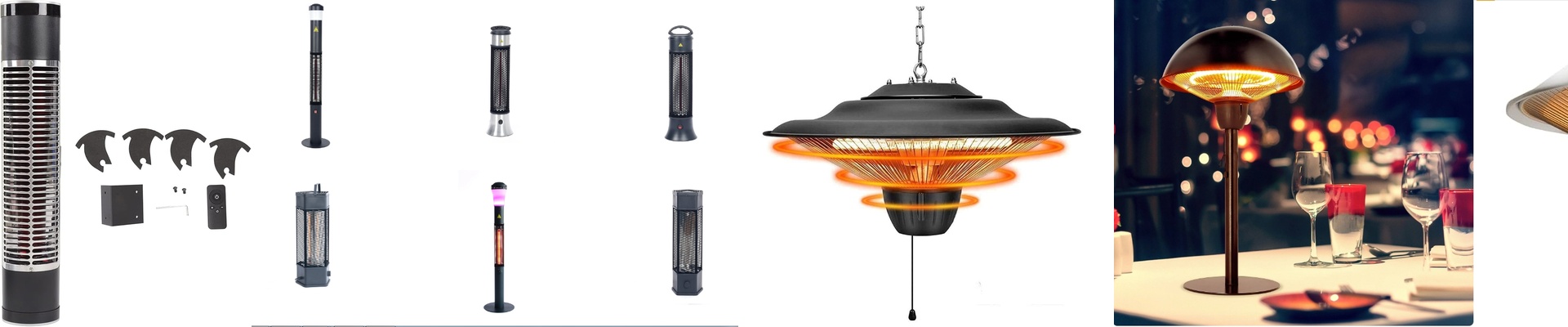
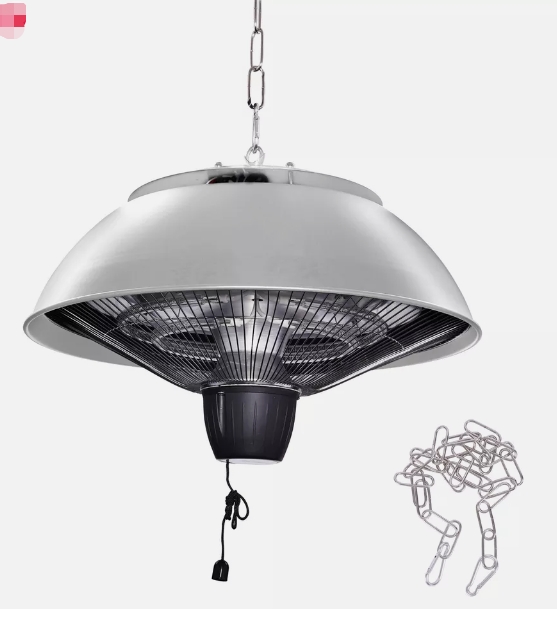
The moment the first autumn frost hits the greenhouse glass, seedlings don’t just slow down—they flatline. A conventional heater throws warm air that rises and leaks out, leaving plants sitting in a cold pocket. Infrared warmth flips that script. It travels in a straight line, hitting leaves, soil, and benches directly, the way the sun does.
What matters under the hood
We built this greenhouse heater around a carbon-fiber infrared element, so the radiant heat comes on fast. On 120V, it draws 1500W and comfortably covers a typical 8×10 ft greenhouse—assuming decent insulation and how low the night temps dip. The unit sits on a stable base, includes tip-over protection, and is rated for damp locations, so it can handle the humidity that comes with soil, water, and condensation. A built-in thermostat holds the space where you set it, and if the heater overheats, it shuts down automatically.
Why this approach fits a greenhouse
In a greenhouse, you want steady conditions, not gusts of hot air. Radiant heat warms plant surfaces without blasting drafts across delicate stems, which helps reduce stress when the mercury dives. Recovery after sunset is quicker, and you spend less time chasing temperature swings. Because the heat goes where it’s needed, many users see lower running costs compared to air-blowing heaters in the same space. The design stays clean, with a slim profile that keeps walkways clear, and the finish holds up against moisture and regular cleaning.
The fine points
Infrared heaters warm objects, not the air, so on very still nights you may still want a small circulation fan to cut down on layer separation near the glass. Clearance matters: keep the heater at least 3 feet from plants, soil, mulch, and any flammable materials. For the best results, pair it with a reliable thermometer at plant height, and set the thermostat for what the crop needs—not the headline number.