



Stop Waiting for Your Oven to Warm Up: The Magic of Shortwave IR
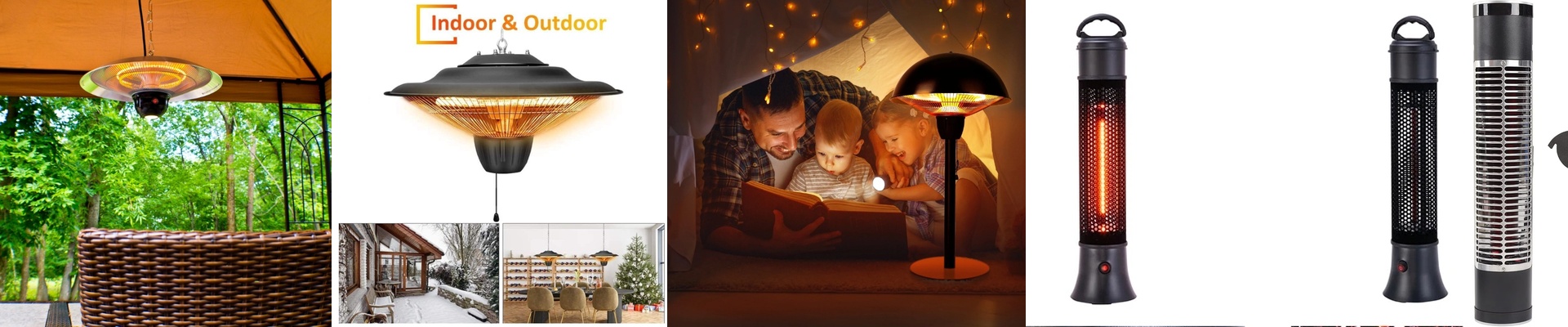
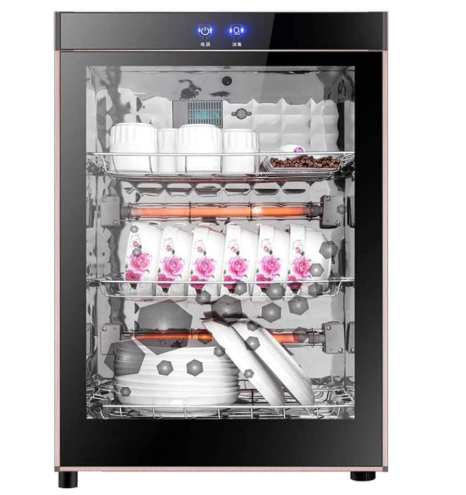
If you’ve ever used a standard convection heater, you know the pain. You turn it on, and then… you wait. You wait for the air to get hot, and then you wait for that air to actually heat up your equipment. When you’re trying to sterilize a cabinet or run a rotary oven, that lag time is a killer. That’s why we use shortwave infrared (IR) heaters. They don’t mess around with the air. It’s almost instant. Think of it like stepping into the sun on a cold winter day. You don’t feel the air get warm first; you feel the heat hit your skin immediately. These IR lamps work the same way. The tungsten filament hits peak temperature in a heartbeat, meaning the second that cabinet door shuts or the rotary arm swings into place, the sterilization process is already happening. To make this work, we use high-purity quartz glass. It’s the secret sauce that lets the radiation pass through without getting trapped or wasted. When you hook these up to a high-wattage circuit, the power density is intense. It’s a concentrated punch of heat that wipes out bacteria on contact. And we kept the hardware simple. We use R7s or SK15 connectors, so if a tube eventually burns out, you just pop it out and slide a new one in. No need to dismantle your entire oven just to fix one part. But, there are a few things you need to watch out for. Since these lamps dump a massive amount of energy the moment they click on, your wiring has to be ready for it. If your control board isn’t beefy enough to handle that initial surge of power, you’re going to be replacing fuses more often than you’d like. Also, remember that shortwave IR goes deep. It doesn’t just sit on the surface. You’ll want to spend some time dialing in your timers. Get it just right, and you’ve got a perfectly sterile surface. Get it wrong, and you might accidentally scorch your cabinet lining.